Sergeant Babbitt, WWII Hero

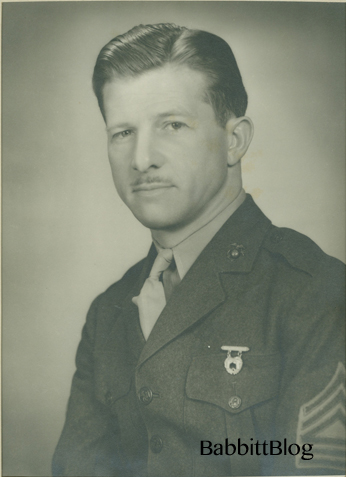
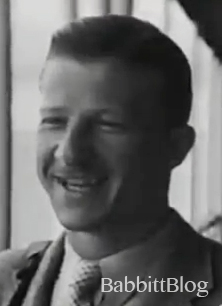
Art Babbitt of the U.S. Marines during WWII

Happy Memorial Day, America!  In honor of our troops, past and present, I give you a sampling of some records of Art Babbitt’s military history.

If you worked in Hollywood at the outbreak of America’s involvement in WWII, you may have wound up at one of several bases in the U.S. that produced military training films.  In 1942, Disney animators John Hubley (striker), Willie Pyle (striker) and Bill Hurtz (striker and Art Babbitt’s former assistant) found themselves working together at the First Motion Picture Unit in southern California, under the direction of rising Disney animation star, Frank Thomas (non-striker).

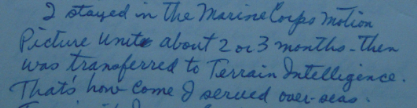
Art Babbitt joined the U.S. Marines Corps on November 5th, 1942.  On December 3rd, he became a Staff Sergeant (EPR) in the Marine Corps reserve, and he was honorably discharged at the war’s end on October 29th, 1945 as a Master Technical Sergeant.  From what I understand, he was a human GoogleMaps, using his artistic skill to illustrate enemy terrain for air attacks.  As he writes in a hand-written note,

“I stayed in the Marine Corps Motion Picture Unit about 2 or 3 months – then was transferred to Terrain Intelligence.  That’s how come I served over-seas.”

In another lengthier note written on animation paper, he writes to an unknown recipient:

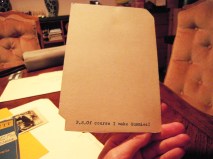
There are some things I just can’t tell you honey – I’ll put them down on paper later – but right now I just can’t talk about em, O.K.?

“Let’s talk about going back from Iwo Jima. I’ve told you about the fighter pilots, a collection of adolescent nuts buzzing the island like a swarm of mosquitoes – after a triumphant mission.  How they avoided smashing into each other is one of life’s remarkable mysteries.

“Let’s talk about returning to Guam — my so-called base.  My first housekeeping duty was to shake off a heavy layer of dust – – anywheres from a quarter to a half inch deep.  This dust had accumulated while I was away on some nefarious mission for the Marine Corps.  You could measure the length of my absence by the depth of the dust on the cover of my cot – and the luxuriant growth of green mold on everything else I’d left behind.

“The dust came from the airfields on Guam where the B-29’s took off on their bombing runs to Japan – More bombers were simultaneously taking off from Tinian – from the North.

“All this I’m telling you know makes no sense chronologically – but I’ll straighten it out later.  At present it’s just a memory fogger.  Anyhow I’ll tell it – and someday it’ll all be properly arranged  – if I’m still around. …”

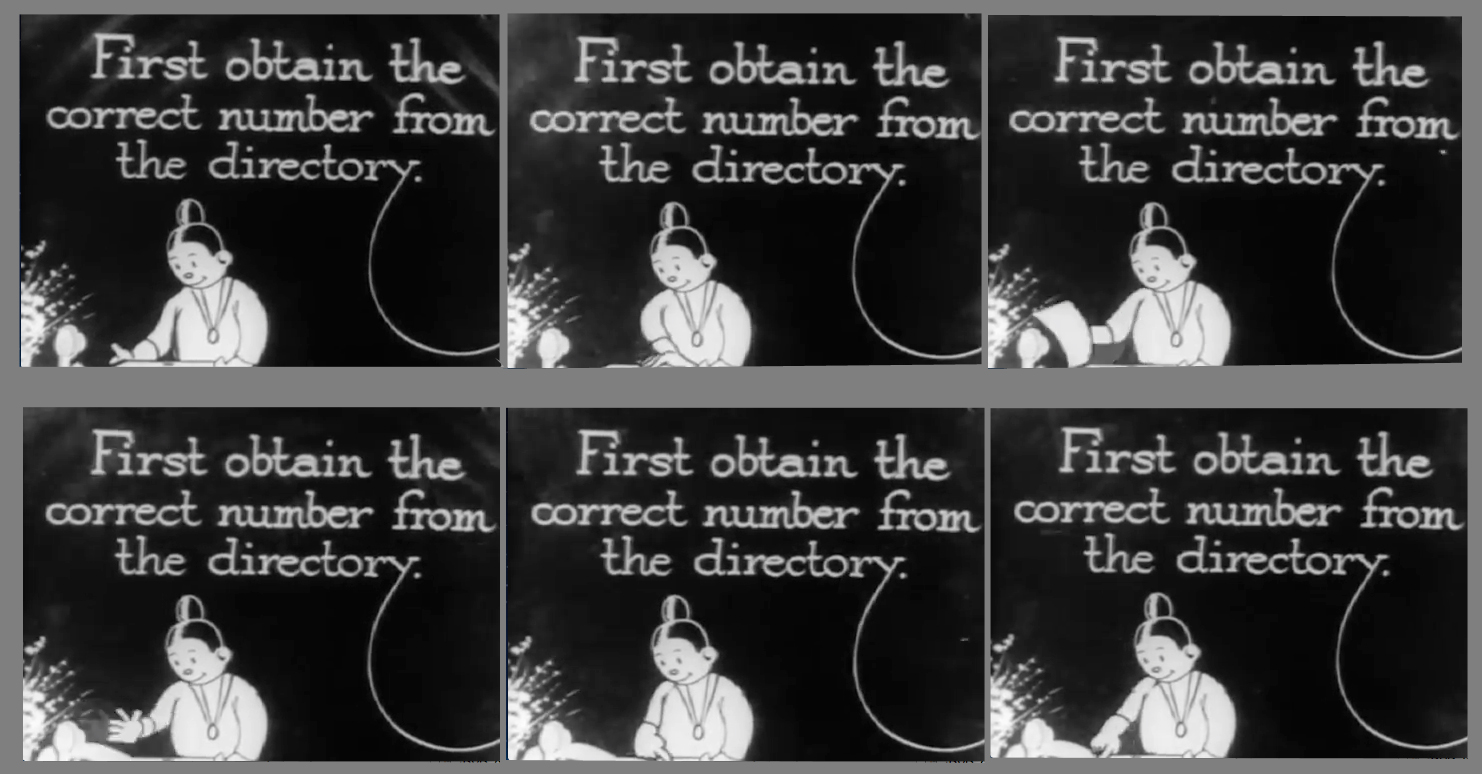
Besides these stray notes Art Babbitt left behind, he also kept a military diary in the spring/summer of 1945, and he made some audio recordings of his war stories as told to his wife, Barbara.  He also saved some of the cartoons he doodled during wartime! (He is an animator, after all!)

The Caption: “Take care of your feet and they’ll take care of you.”

Posted in 1942-1946: Repercussions, WWII | Tagged , , , , | 1 Comment

New York 1936 on Film

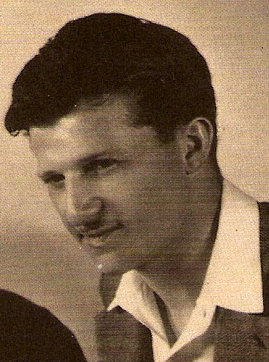
Art Babbit in 1936, age 28

Art Babbit in 1936, age 28

Though he worked and lived a Hollywood life in the 1930s, Art Babbitt would visit New York often.  He had lived and worked in New York from the ages of 16 to 24.  For a kid whose “higher education” was the working world of free enterprise, Manhattan was his college campus: his learning center and playground.

Besides, his family still lived in Brooklyn, and he still had plenty of friends here as well.

Reuniting with his past must have been triumphant – Art Babbitt had come from poverty and worked his way up to wealth and success at Disney’s.  Part of his immense skill came from the study of movement from 16mm movies that he shot himself.  In July of 1936, he took his camera with him to New York City.

Hardie, 1936

Cross-country air travel was uncommon – which makes Art’s apparent chartered plane all the more impressive! Ex-Disney animator Hardie Gramatky and wife Dorothea left Hollywood the month prior to build careers as illustrators in New York.  Art filmed Hardie and Dorothea in Manhattan that July before taking his 16-day luxury cruise on the Santa Rosa on August 1st, 1936, through the Panama Canal and back to Hollywood.

Hardie and Art, c.1933

Hardie was at Disney’s for more than two years when Art joined in 1932, and they were in the same animation room.  When Babbitt wanted to bring an art teacher to lead classes at Disney’s, Hardie suggested one of his past instructors from the Chouinard Art Institute, Don Graham.  Graham’s contribution to animation would become legendary.

At the time of this footage, Hardie was a struggling  illustrator in a new town, but in a couple years he would become a published children’s book author/ illustrator.  One of his books, Little Toot, will catch Walt Disney’s attention and in 1947 Walt will bring Hardie back to the studio to develop it into an animated sequence for the film Melody Time.

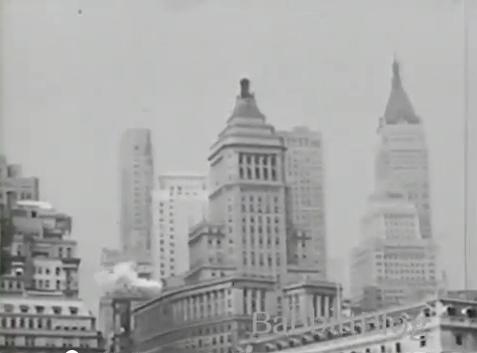
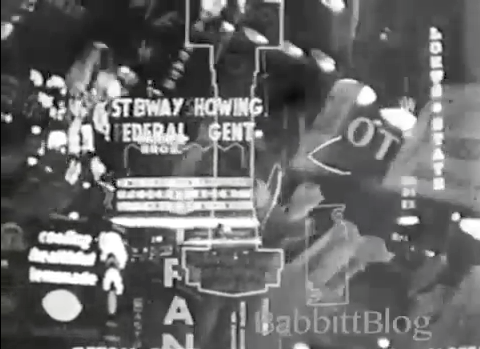
While watching this original footage through Art’s director’s eye, I have a hard time calling it “home movies.”  These vignettes are so cinematic, he’s really telling a story of New York through a camera lens.  What he chooses to capture in Depression-era New York says a lot not only about that era, but about Art Babbitt’s creativity.  Check out the in-camera double-exposure shots of Times Square!  That’s not a Hollywood film crew, that’s just Art Babbitt with a camera.

Art Babbitt filmed his adventures throughout this trip through Latin America, a region he would return to in years to come, but that’s a post for another day.

Posted in 1932-1941: Disney Glory Days, Film, New York | Tagged , , , , | 2 Comments

Illustrator for Hire, 1928

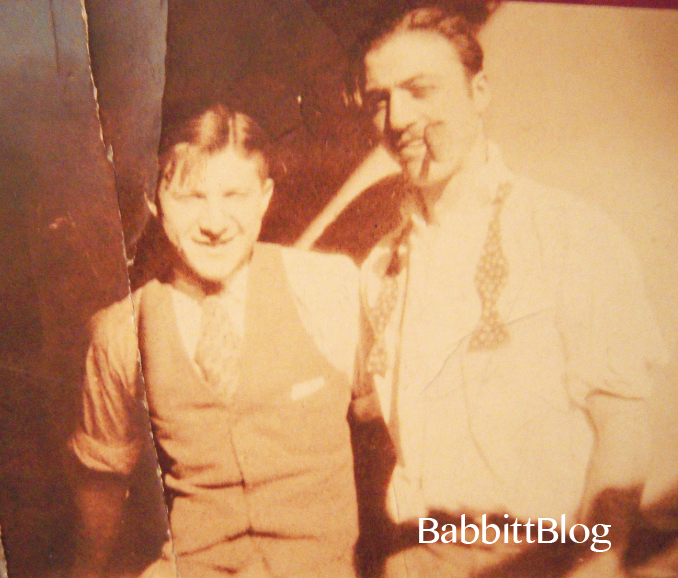
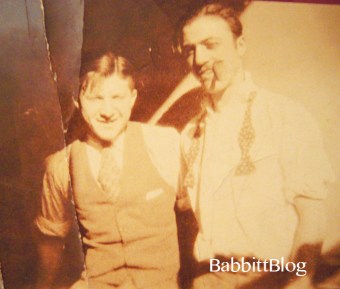
Art Babbitt, left, with friend. circa 1928, age 21

In 1928, Arthur Babbitt was a real New Yorker.

He was a successful freelance artist, working in his own studio near Times Square, engaged to a cute brunette from Brooklyn, and all before he was 21 years old.  This was the young man who was able to land a gig with a motion picture cartoon studio in 1929 …

… quite a far cry from the sixteen-year-old from Iowa who arrived in  1924.

__________________________________
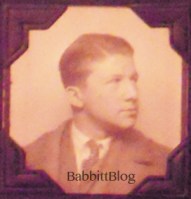
It was a family tragedy.  While living in Sioux City, Arthur’s father injured his spine, crippling him.  Without his income, the Babitsky family moved to Brooklyn, New York, and Arthur was forced to be the breadwinner for the household of six.  Interviewed by historian John Canemaker in 1975, Babbitt says, “we all lived in a basement room, with a little casement window, all of us, and that was my home.

Arthur had no choice but to find work.
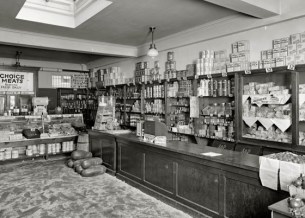
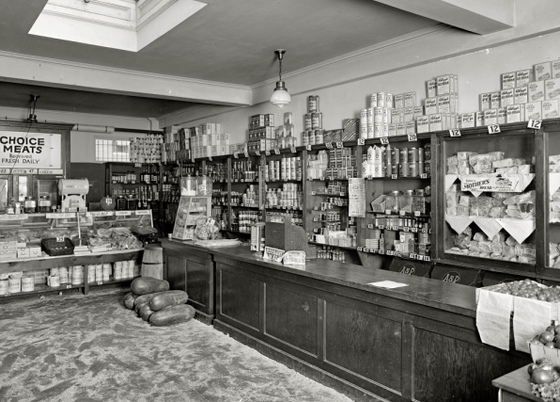
A grocery store in 1924

To Canemaker: “My first job was in a grocery store up in the Bronx. I weighed 90 lbs at the time. The storekeeper, a kindly Mr. Zimmerman, had me hauling hundred pound bags of sugar all over the place.  And it sounds like a bad movie, but I did find a card in the street, a business card to an advertising agency. And I called up and they said, ‘Sure, c’mon over!'”

In an unpublished  interview with Bill Hurtz recorded in the 1970s, Babbitt tells his longtime friend and fellow animator about his journey at the ad agency, beginning (according to his memoir) in May, 1924:  “And I got a job there for nothing a week, as an apprentice. And I took it. Now, after 3 or 4 days, corporate consciences bothered them, and they decided to pay me 40 cents an hour for any work I did that was used from reproduction.”
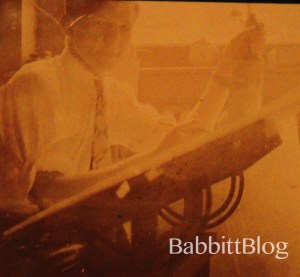
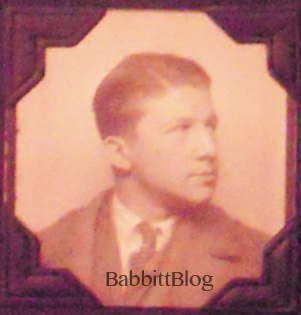
Arthur in July of 1926, age 18

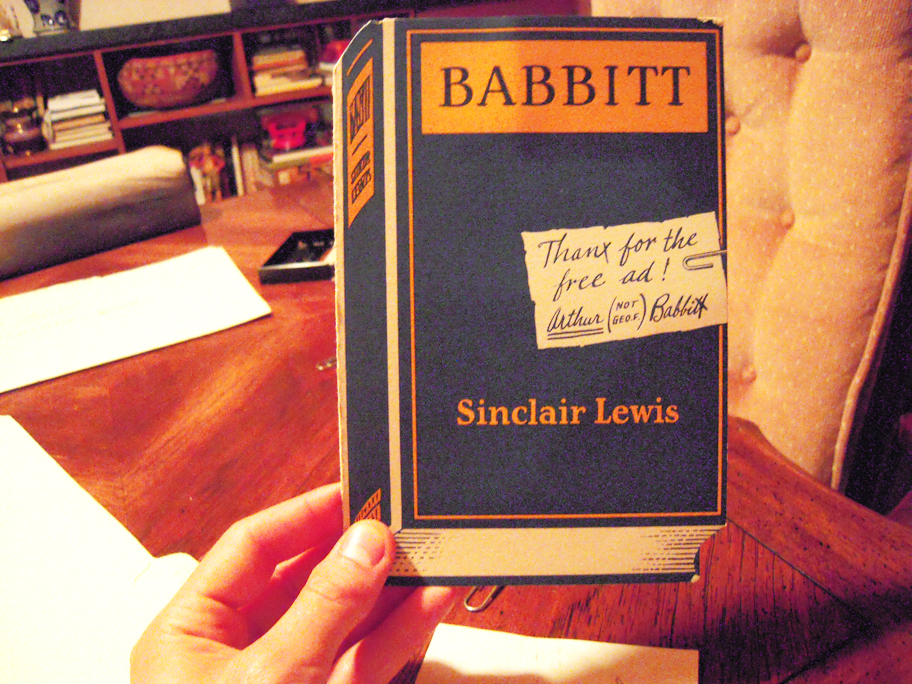
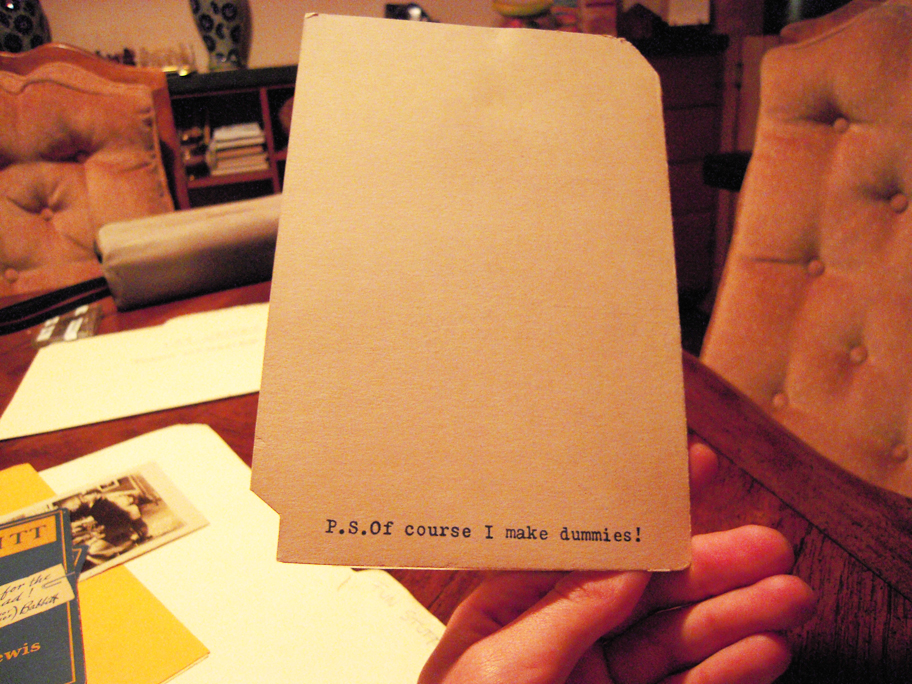
Babbitt notes in a brief 1961 unpublished memoir, “Layouts – dummies – stalling off creditors – running errands, etc. were still for free.  When the comptroller figured out that this arrangement netted me about $16.00 per six day week — the board of directors voted me a straight $10.00 salary and security.

Babbitt told Canemaker that his tasks included delivering packages as well as answering the phone and saying that his bosses, Mr. Stern and Mr. H__, were not in the office.

From his memoir: “The problem of an address [and] phone – was solved rather quickly.  In return for designing millions of shirt and coat labels (the kind sewn onto your clothes) – actual size and color – I was given space for my drawing table and the right to receive calls gratis.  Outgoing calls had to be paid for.  I had another right — I could do all the outside work I pleased — after hours and on weekends.  The honest-to-goodness name of this concern was the PITTS and KITTS Mfg. Co.” 
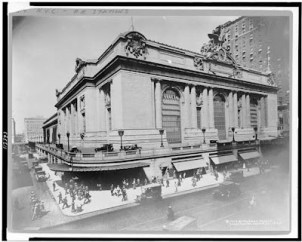
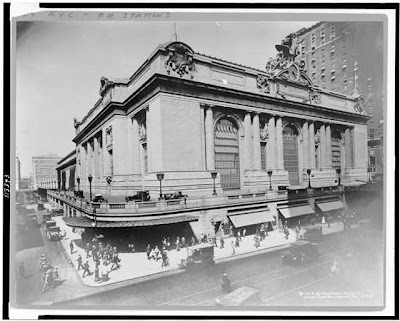
Grand Central Terminal in 1920, facing north

According the telephone White Pages from October 1924, the Pitts & Kitts Mfgrs & Supply Co. was located at 342 Madison Avenue, a block west from Grand Central Terminal, and across the street from an icon of the “Terminal City” that straddled the train station, the newly constructed Roosevelt Hotel.

One can infer that Pitts & Kitts was desperate for a cheap, inexperienced office gofer who would spend most of his time derailing bill collectors.  The creditors must have finally caught up with them — the company ceases to be listed in any directory after October 1924.

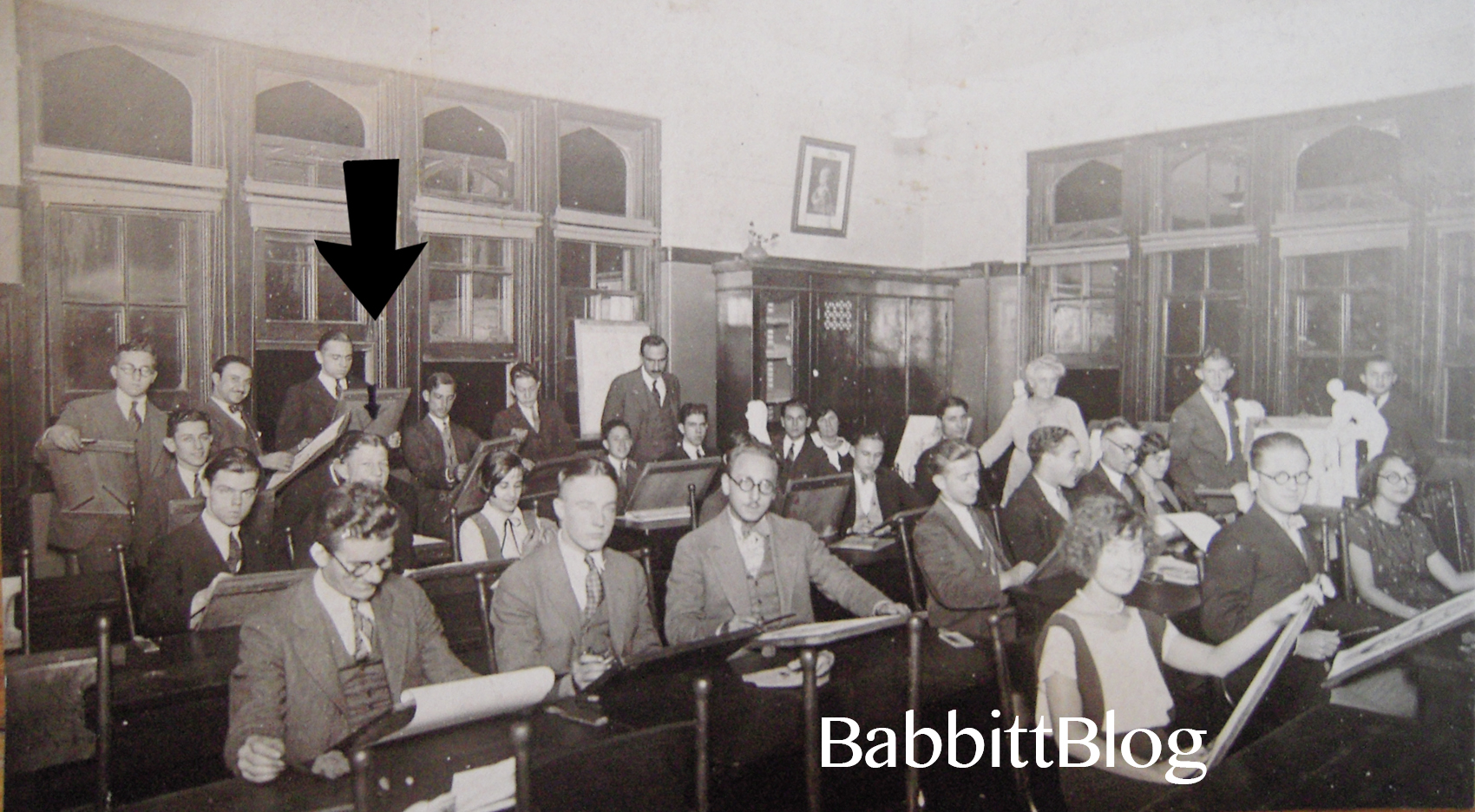
Arthur was there from around July to October, when he left after “about 3 months because I had been invited to my own birthday party and they thought it was very inconsiderate of me because I didn’t stay and work that night.  I quit, and I had to go look for another job. Now I had samples. And I got a job with another company, an art service for $12 a week and again it was a matter of running errands and so on, but I did get to work on actual production stuff. … It was the Harold Simmonds company on 28th street.”

Now Arthur started taking art seriously.  As he told Canemaker, before he was forced into the working world, he aspired to study with Viennese psychologists “Schild” and “Kauder.”  Most likely he meant Paul Schilder and Otto Kauders, well-known psychiatrists in Vienna.  Schilder wrote 1921’s The Nature of Hypnosis (printed in English in 1922) and the two co-wrote 1926’s Hypnosis (reprinted in English in 1927). Arthur probably acquired Schilder’s book on a lark when he was 14, and devoured it eagerly. As a young adult, Art Babbitt actually successfully practiced hypnosis!  However, by the mid-’20s, his income lay in his artistic ability.  So he followed his knack and enrolled in art classes.
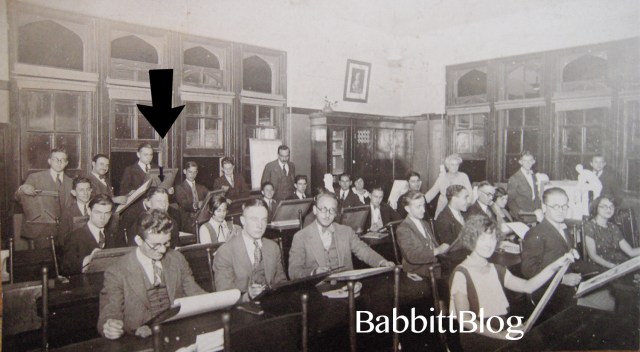
The Art Student's League in the late 20s

The Art Student’s League — late ’20s

Babbitt says (in a 1974 unpublished bio) that he “signed up for night courses at the Educational Alliance – under Raphael Soyer – then later the Industrial Art School – and still later at the Art Student’s League [still at 215 West 57th Street near Broadway]. ”  Like Arthur, Raphael Soyer was Russian-American, and though only 8 years older than Arthur, he skillfully painted the gritty truths of economic hardship and social injustice.  Soyer was part of the artistic movement called “Social Realism” and anchored his art in testimony of the working class.

The U.S. census states that Arthur’s employer, Harold Simmonds, had 32 years to Arthur’s 16, and already had a young son and a pregnant wife when he hired Arthur in early 1925. 
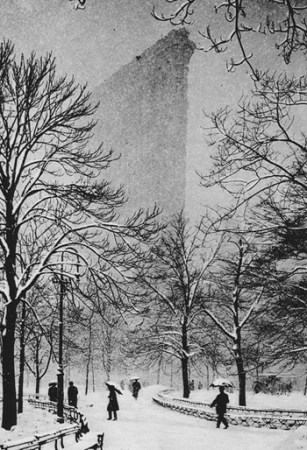
The Fuller Building in the ’20s, seen through the park in winter

According to the 1924 White Pages and business records (as well as those from ’25 and ’26),  the H. W. Simmonds Studio was located on 37 E.28th Street, two and a half blocks north/east from Madison Square Park and the neighboring Fuller Building (Flatiron Building).  At the time, this was one of the tallest buildings in New York City, and (probably:) as Arthur walked the four-minute hike to the park for some brisk winter air during his lunch break, he would see the crest of this giant wedge poke over the brown-brick structures to his left.  Then, as he turned left onto Madison Avenue, peering through three blocks of dispersed trees of the park, the architectural wonder loomed over the entire skyline. He wandered across the park crossed 23rd street to approach the building, and he heard a sudden shriek.  Turning his head, he found a two ladies trying in vain to keep the wild wind currents from blowing their skirts up.  Onlookers made sideways glances, and Arthur made a mental note to visit this spot every day.

37 East 28th St. today

Harold W. Simmonds’ address, 37 East 28th Street, today

To Bill Hurtz: “Harold W. Simmonds was a very talented commercial artist, and so were some of the men that worked for him, one of them by the name of Frank Hohr [?] who taught me a great deal about lettering. And Harold Simmonds was a drunk. And on paydays, it was my job – Fridays were paydays – it was my job to go down to the speakeasy to collect Harold W. Simmonds before he spent all of our paychecks. But before we could get paid, part of the ritual was that Simmonds would come back to the office and he would insist on wrestling with me. You know, he weighed about 200 lb and I weighed 90 lb. And after we’d have a couple of falls or so, then he would pay us. And it was at that time that I sort of matured as a commercial artist.”

To Canemaker: “That lasted about 3 months and Simmonds struck a slow period, so I was let go, because my $12 was cutting into the budget quite a bit.”

The New York business listings doesn’t include Arthur at all (maybe the funds weren’t available) and the White Pages doesn’t list Arthur until October of 1927.  At this point, “Arthur Babbitt, artist” was based at 245 West 47th Street, near the growing theater district of Times Square, in what he and his friends used to call “The Kotex Building.”

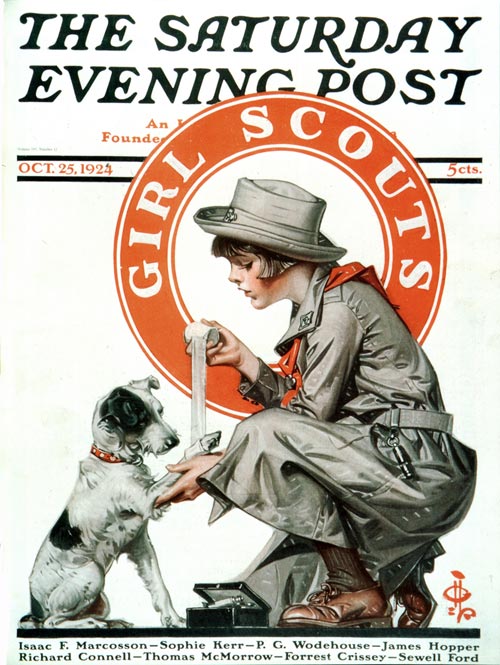
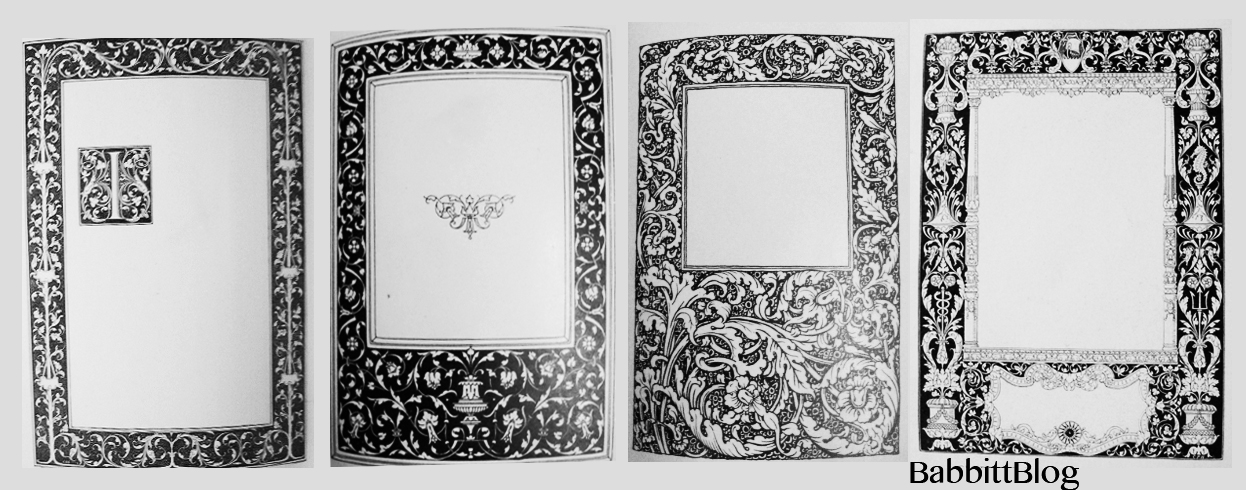
From his memoir: “Late in 1925 – having prospered – I set up my own studio in the old Romax building on 47th Street West of Broadway – where the Ethel Barrymore Theatre now stands.  Imitation woodcuts were the rage – and I soon learned to draw everything from men’s fashions to Steinway pianos – the woodcut way.  Leyendecker’s Saturday Evening Post covers were considered a bit ‘Avante Garde’ – and  any ad worth a damn had a decorative floral border around it.”
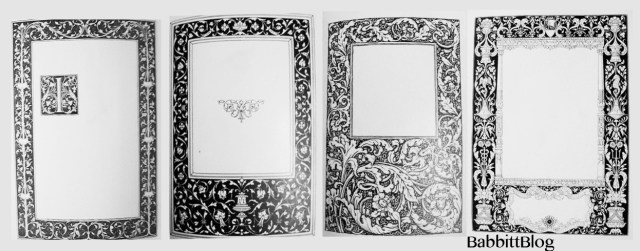
Floral Borders from various artists, printed in the Art Directors Club Annual in New York, 1927
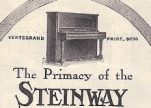
When he was interviewed by historian Michael Barrier in 1971, Babbitt said,  “Being unaware of how little I knew about drawing, it seemed that that was the only thing I could do. I drew handbags, woodcut drawings of pianos, and woodcut drawings of Moojo [sp?] bottles…”

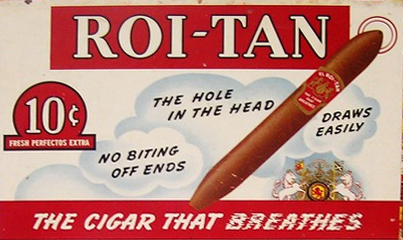
To Canemaker: “And I freelanced, and the first 2 weeks I earned $3 I think. I couldn’t afford a bottle of waterproof ink, I remember, nor any real decent pen points, and I didn’t have a drawing table and I remember standing up at a bureau in the bedroom where my father and mother were asleep, all hours of the night drawing with this very bad pen and ordinary ink. I remember one of the first jobs I had was Roi-Tan cigars…”

To Bill Hurtz: “But in the meantime I had learned how to do lettering, men’s fashions, women’s fashions, all in woodcut style, Hupmobile cars and Nujol laxatives, and cartoons – everything was done in an imitation woodcut style. I could retouch a photo, I can still handle an airbrush. But I had sort of semi-prepared to go out on my own at that time…”

Hupmobile ads by an unidentified artist, 1929
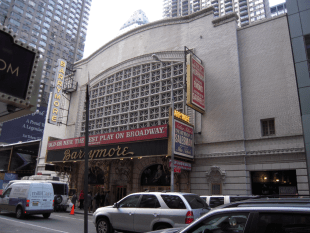
The address of Babbitt’s first office, 243 W.47th st, today

Art’s widow, Barbara Babbitt, writes a second-hand account of Arthur’s experiences, including in the Romax building: “A mobster named Arnie, whose only claim to legitimacy was that he looked out for ‘the kid’, ambled into one of young Arthur’s deadbeat client’s display rooms, [and] threw all his merchandise on the floor or out the window.  As the defaulter nervously handed Arthur his delinquent check, Arnie turns to young Arthur and philosophizes, ‘That, kid, is how you collect a bill.’

To Bill Hurtz:”…[By 1926 (as noted in his ’74 bio),] I was earning a considerably amount of money, somewheres in the area of $300 a week, which was a tremendous fortune in those days, as a commercial artist – this in spite of the fact that I didn’t have the weakness to give in to designing false whiskey labels or counterfeit revenue stamps [for bootleggers] or anything like that, which was a good source of income for commercial artists in those days.
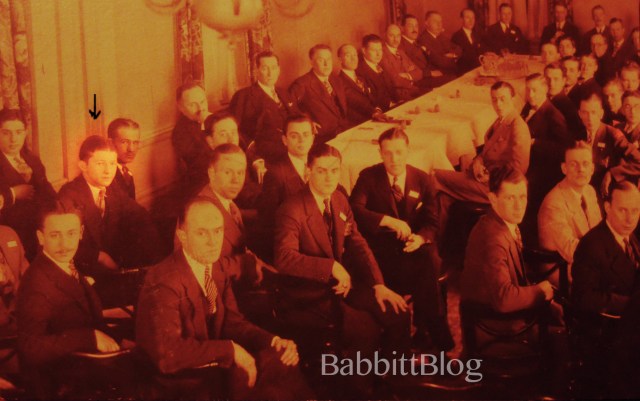
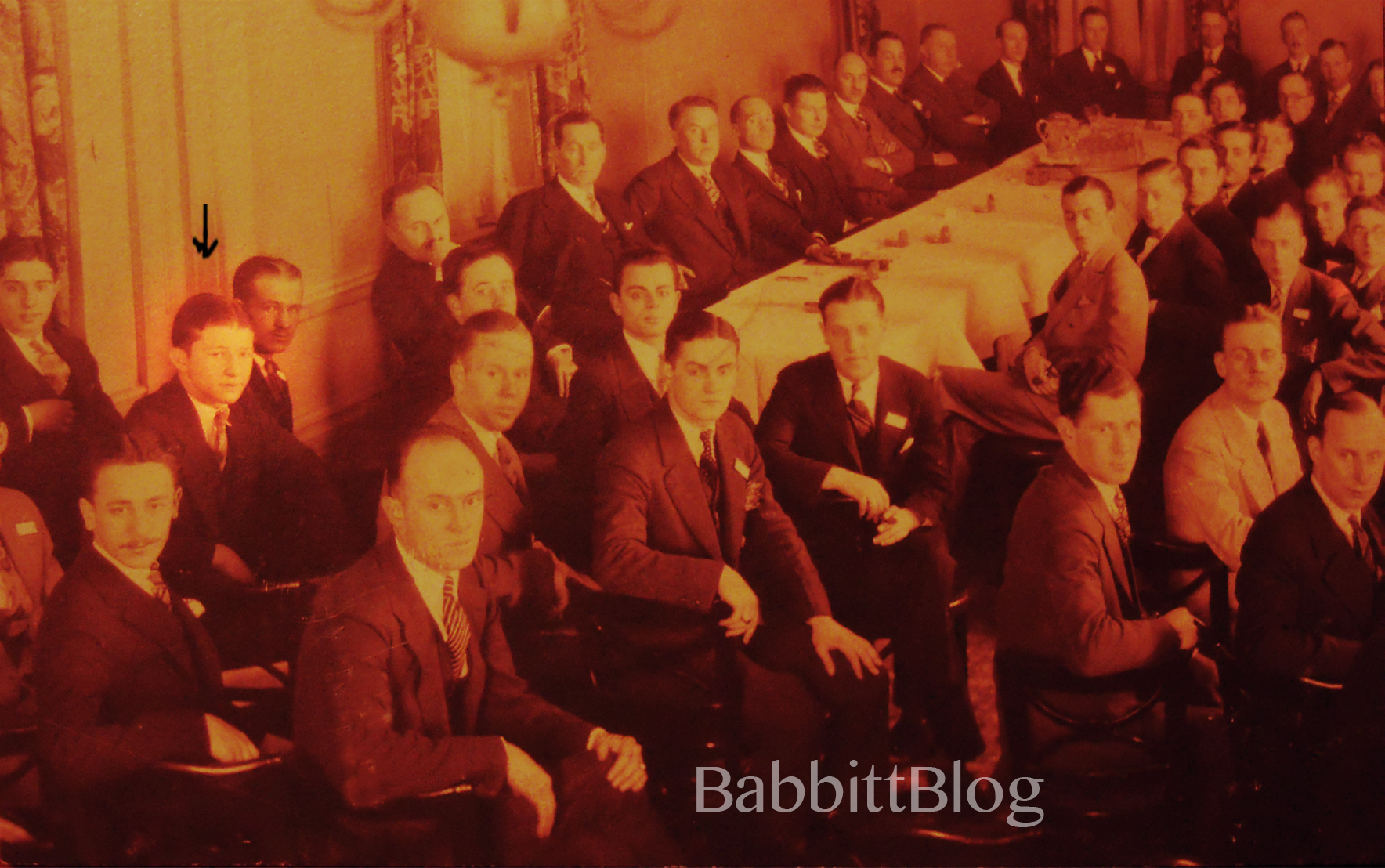
“The Association of Young Advertising Men” circa 1927. Arthur is at left. Book illustrator Tony Polazzo and politician Grover Whelan are present.

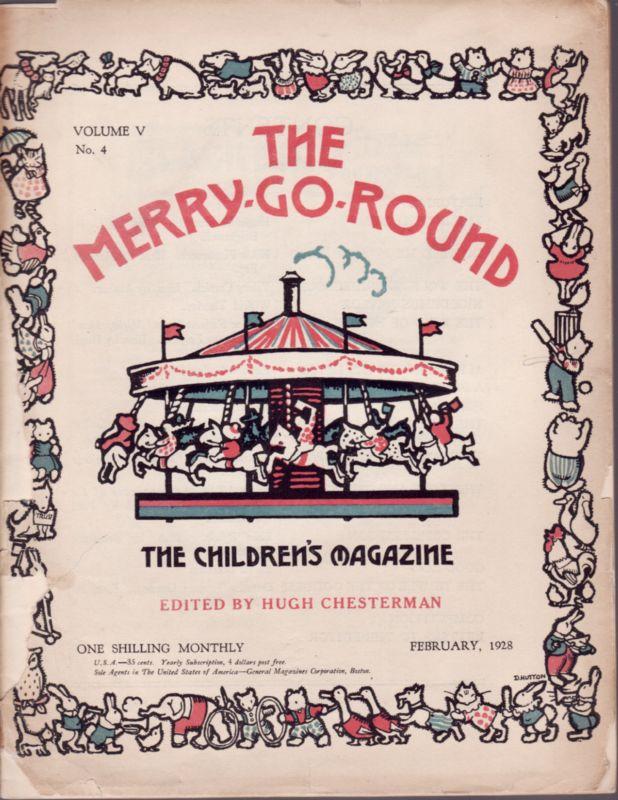
I had credits for everything from lettering to scientific drawings for the Scientific American, and things like that… As a commercial artist, I had done many advertisements and cartoons, and sold numerous ideas to the New Yorker and other magazines of that type – gags, yes. And for one magazine that has long been defunct, one called the Merry Go Round, […] they would buy anything I did.”
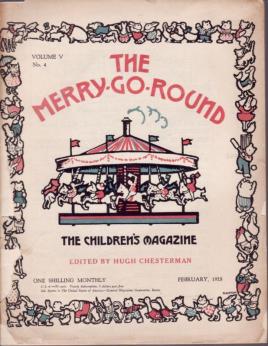
An issue of Merry-Go-Round from February 1928
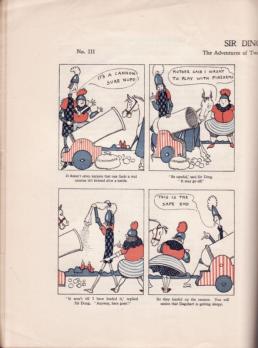
An uncredited page from Merry-Go-Round

Barbara writes: “A beautiful ‘Lady of the Evening’ enticed him up to her apartment not realizing he was only seventeen.  After she explored the situation further and realized what a neophyte he was, she gave him a good meal and sent him home.”
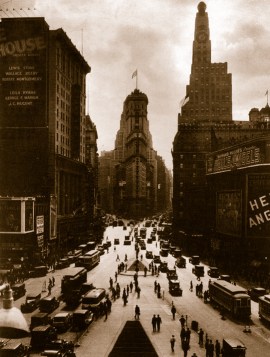
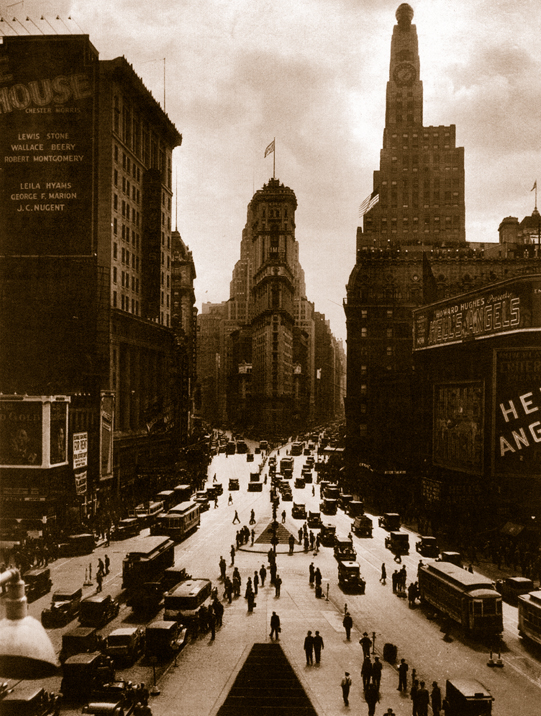
Broadway and 49th, facing south. 1930.

Arthur was evicted from his office when the building was set to be demolished to make way for the new Ethel Barrymore theater, and by May of 1928 (according to the White Pages),  Arthur relocated his business a couple blocks away, closer to  Times Square proper, at 1587 Broadway, on 49th street.  Four blocks south was the famous intersection of 7th avenue and Broadway, and at the end of a long day, the bright lights of the square would begin to illuminate the dark.  In 1928, the public would gather around the Times building to read the brand new scrolling news feed across the outer facade.  Stepping out of his building on the west side of Broadway and facing south, this is what Arthur would see.

From his memoir: “My youthful appearance cause considerable confusion and embarrassment.  Invariably, I was announced as the boy from Babbitts and customers insisted on calling me ‘sonny’.  I’ll never forget the day in 1928 – I was finally a man.  A customer called me ‘Horseface’.
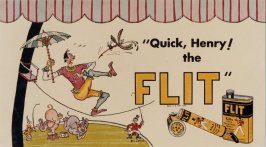
Original Flit ad by Dr. Seuss

To Canemaker: “…Actually it only took me a year to really get on my feet and start earning decent money as a commercial artist and this led to very simple animation for medical films  [one of these was called “The Prolapse of the Uterus”] and things like that. And then as I learned a little bit about it I became involved in business films, things like Western Electric.  [Animation] was very simple, very simple. It was mostly like drawing extremes, getting to the next place in the easiest way possible. But I was doing silent commercials for theaters. Things like Listerine, Flit, “Quick Henry, the Flit!” if you recall. That’s where I first met Dr. Seuss, Ted Geisel. He was doing commercial art, cartoons. I took anything that came along, men’s fashions, women’s fashions, imitation wood-cuts, layout, lettering, photo retouching, simple animation, very very simple animation.
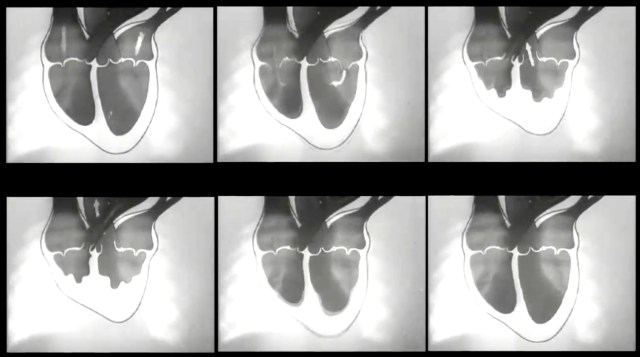
Stills from a medical film of an animated heart pumping blood, produced solely for the medical community

To Hurtz:  “I became involved in medical films, theatrical commercials —  it was very simplified animation – training films, and so on. And it wasn’t until 1929 that I officially entered the animation field, but I had done animation before that… My career as a pencil pusher did start in 1924. And it was within a year after that that I was actually doing things pertaining to animation.  I came to Terrytoons … probably along about October of 1929.”
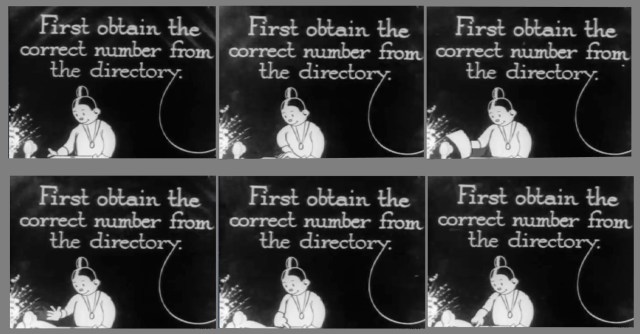
Stills from a 1927 Bell Telephone training commercial for the general public

Arthur wasn’t working at his new Times Square location for very long before he decided to venture into the industry of sound cartoons at Terrytoons.  Fortunately, he had a few old business cards left over, which are (as yet) the only place to confirm his illustration style from that time.

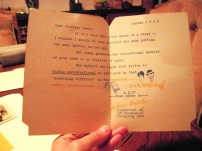
And so, at 22, Arthur gave up full-time illustration and advertising and ventured into story-driven theatrical cartoons at the Terrytoons Studio…

…but that’s another story.
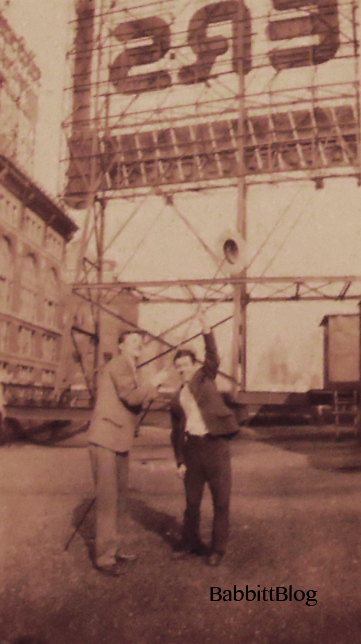
Babbitt, left, horsing around on a Manhattan rooftop, circa 1928


Posted in 1924-1929: Illustrator in NYC, Genealogy, Illustration, New York | Tagged , , , | 8 Comments

Walk Cycles from “Alice in Wonderland”

Lou Bunin was a stop-motion animation master, but seeing these drawings animate makes me crave a hand-drawn Alice to challenge Disney’s.   I would have loved to have seen more of Babbitt’s drawings move!

Thanks to the late, great Shamus Culhane for printing these drawings in his book, Animation from Script to Screen.

Posted in 1946-1970s: Later Years, miscellaneous | Tagged , , , , | Leave a comment

The Babbitt Diary: Animating in Argentina – part 2

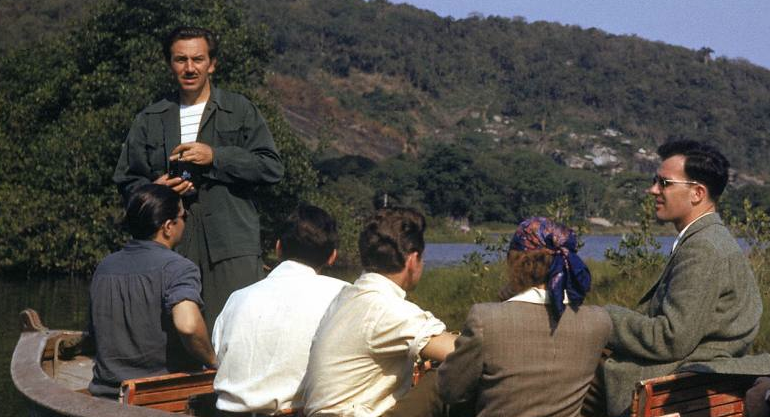
Walt and “El Grupo Disney” in South America, late 1941.  Animator Frank Thomas is pictured far right.

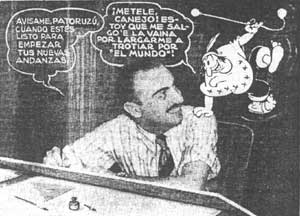
As previously posted, in the summer/fall of 1941, Walt Disney and a group of some of his most trusted staff went to South America as part of the U.S. government’s “Good Neighbor Program”… and just a few months later, Art Babbitt took his own solo trip to South America, where he met Argentinian cartoon studio head Dante Quinterno.

Dante Quinterno

February 10, 1942

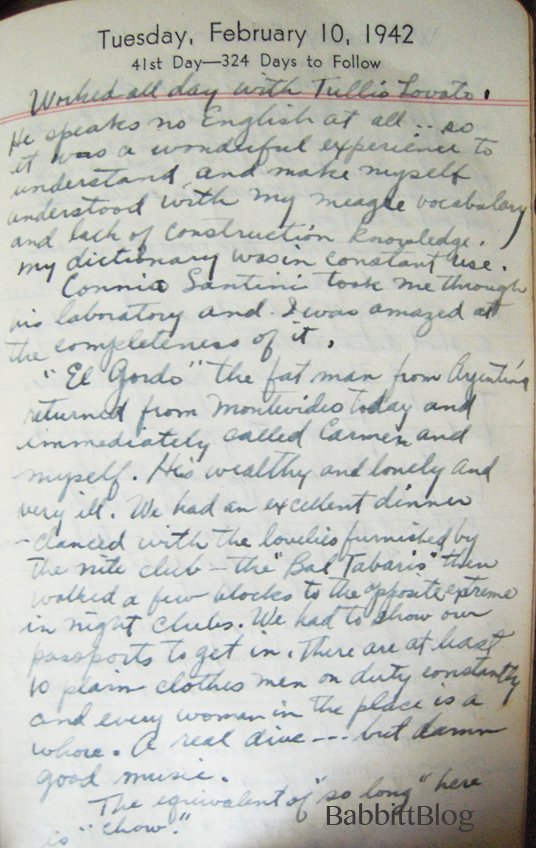
Worked all day with [Quinterno’s collaborator] Tullio Lovato.  He speaks no English at all… so it was a wonderful experience to understand and make myself understood with my meagre vocabulary and lack of construction knowledge. My dictionary was in constant use[…]

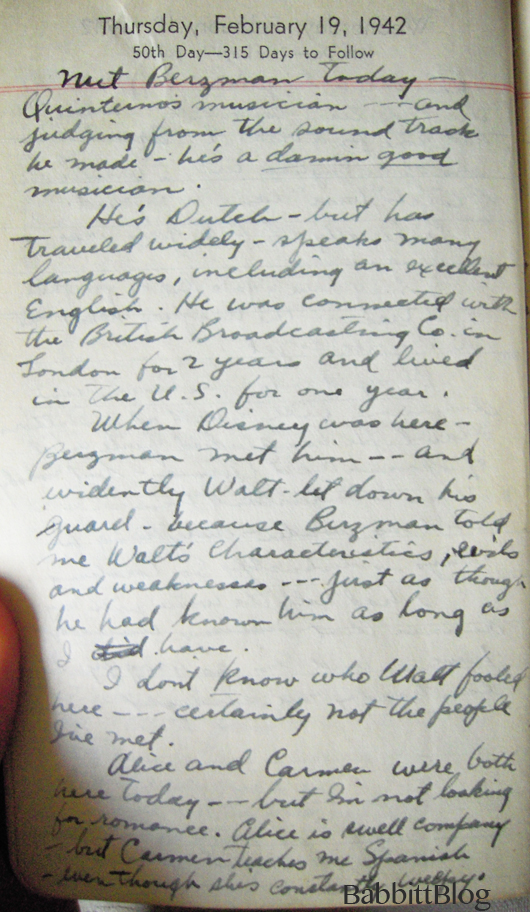
February 19, 1942

Met Bergman Today – Quinterno’s musician – and judging from the sound track he made – he’s a damn good musician.

He’s Dutch – but has traveled widely – speaks many languages, including an excellent English.  He was connected with the British Broadcasting Co. in London for 2 years and lived in the U.S. for one year.

When Disney was here – Bergman met him – and evidently Walt let down his guard – because Bergman told me Walt’s characteristics, evils and weaknesses — just as though he had known him as long as I have.

I don’t know who Walt fooled here – certainly not the people I’ve met. […]

February 28, 1942

Quinterno was so anxious to get back that he drove from Mar del Plato at 140 kilometers per hour and arrived early this morning.

I went over the continuity of his pictures with him — arranging for cuts and shifting of sequences to tie the story together.

He made it clear that he would give me a partnership in his business if I’d come on down.
My terms were these:

1) Guarantee of transportation to and from the states.
2) A part interest in the profit.
3) A two year contract.
4) The equivalent of my present salary at Disney’s – which is a great deal of money – in Argentina at 4.25 to 1.
5) He was to furnish the capital – supplies, space and distribution.
6) I was to supply my talent and train new men.

But intriguing as it all is, I’m still determined to finish with Disney and follow through with my law suits. […]

March 2, 1942

[…] Dante made a very flattering offer- and should my business in the states permit me to do  so – I may come back to Argentina in about 6 months and plan to stay about 2 years.
 
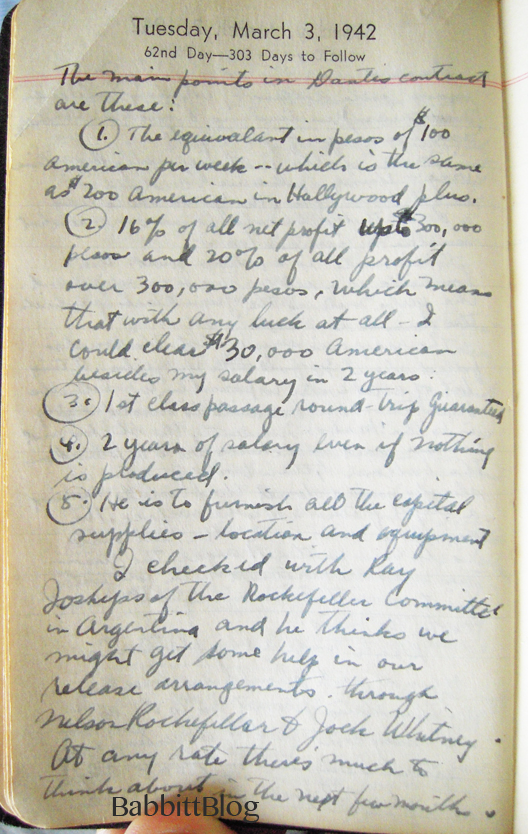
March 3, 1942

The main points in Dante’s contract are these:
1) the equivalent in pesos of $100 American   per week – which is the same as $200 American in Hollywood plus.
2) 16% of all net profit up to 300,000 pesos and 20% of all profit over 300,000 pesos, which means that with any luck at all I could clear $30,000 American besides my salary in 2 years.
3) 1st class passage round trip guaranteed
4) 2 years of salary even if nothing is produced.
5) He is to furnish all the capital supplies – location and equipment.

I checked with Ray Joshipo[?] of the Rockefeller Committees in Argentina and he things we might get some help in our release arrangements.  Through Nelson Rockefeller and Jock Whitney.  At any rate there’s much to think about in the next few months.

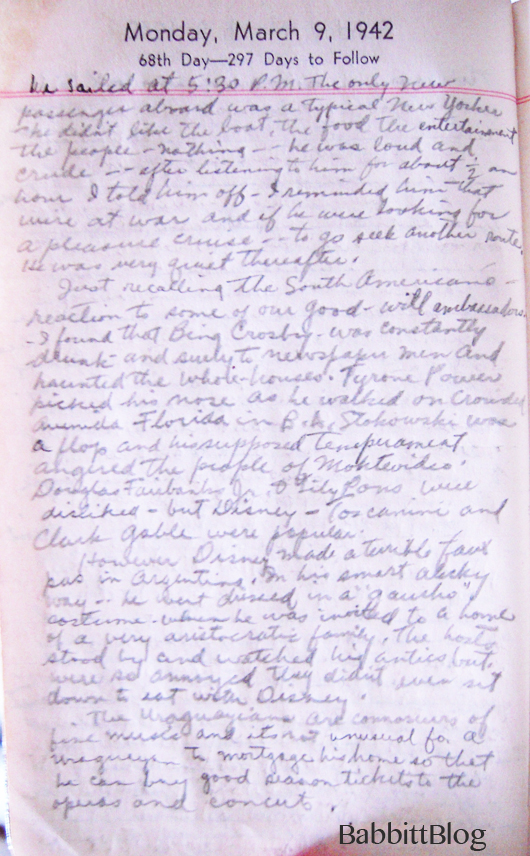
March 9, 1942

[…] Just recalling the South Americano reaction to some of our good-will ambassadors – I found that Bing Crosby was constantly drunk and surely to newspaper men and haunted the whore-houses.  Tyrone Power picked his nose as he walked on crowded Avenida [Calle] Florida in B[uenos] A[ries].  Stokowski was a flop and his supposed temperament angered the people of Montevideo.  Douglas Fairbanks Jr. + Lily Pons were disliked – but Disney, Toscanini and Clark Gable were popular.

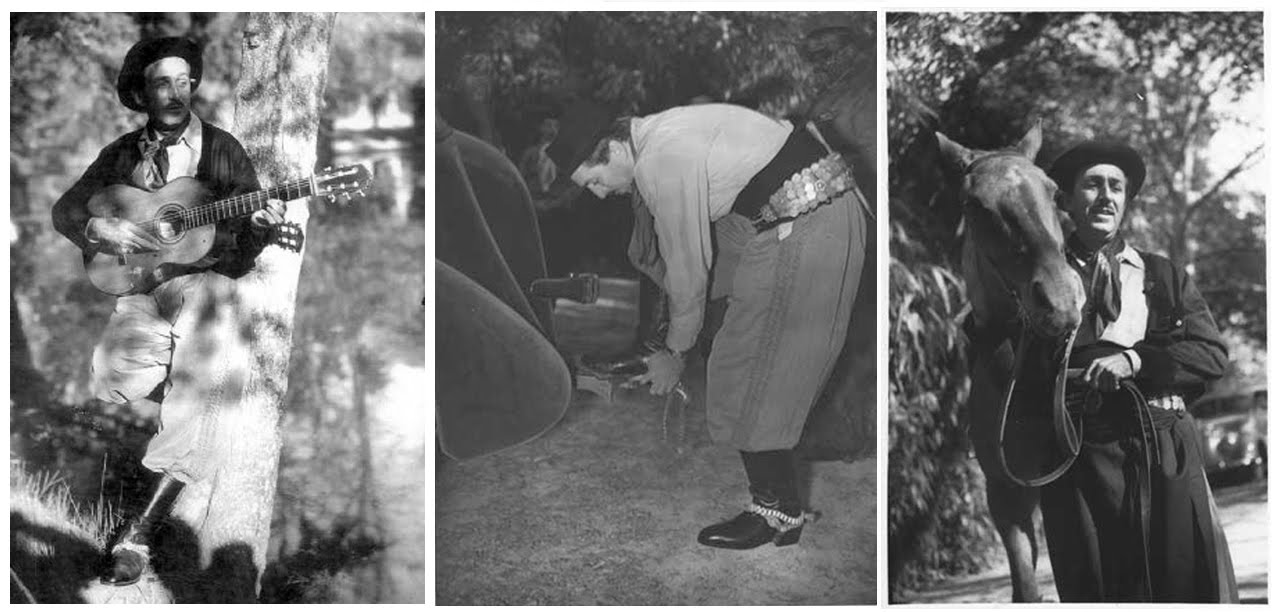
However, Disney made a terrible faux pas in Argentina.  In his smart alecky way – he was dressed in a “gaucho” costume when he was invited to a home of a very aristocratic family.  The hosts stood by and watched his antics but were so annoyed they didn’t even sit down to eat with Disney. […]

Walt Disney as a Gaucho in South America, late 1941

I don’t honestly believe Walt embarrassed himself that much – – an occasional  faux pas is far outweighed by the good he did as an ambassador, which even Babbitt admits.  What’s more likely is that Art’s new friends wanted to get on his good side, and if that meant pointing out Walt’s flaws, so be it.

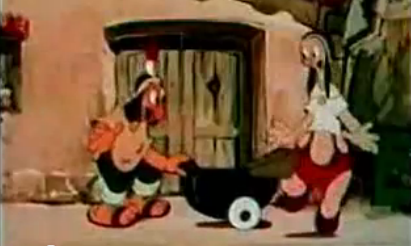
a frame from “Upa en Apuros”

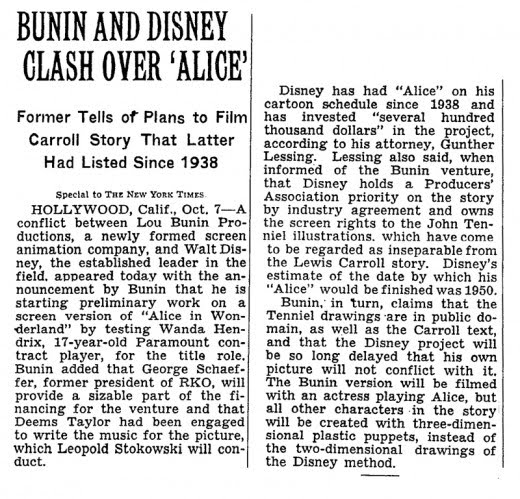
The culmination of Babbitt’s trip in Argentina was the bits of quality animation in Quinterno’s one and only animated film, Upa en Apuros.  After returning to the U.S. that April, Art Babbitt began serving in the U.S. marine corps, where he remained until the end of WWII.  Returning to civilian life, he went back to Disney’s, where he spitefully and unhappily animated for about 2 years.  Then he went to Paris to work with Lou Bunin on his Alice film. … but why Babbitt didn’t return to Argentina is a mystery.

***********BREAKING NEWS!!! **********

After I publishing my previous post about Dante Quinterno, I was contacted by an Argentinian animator named Ignacio Ochoa!  He said,

“I posted a comment in Oscar Grillo´s Blog (Oscar Grillo is a legendary Argentinian animator based on London) and I did a question to Oscar about ‘Upa en Apuros’

“Ignacio Ochoa:
‘Just a few days ago mentioned something about the similarity in the animation of “Upa in trouble” with the Popeye shorts in my blog. It seems that Quinterno traveled to the U.S. and formed with Fleisher in the production of cartoons. Do you have any information about that Don Grillo?’

“Oscar Grillo:
‘Ochoa. About the seventies I met the great Disney animator Art Babbitt, Quinterno had told me he had been a consultant in the movie and I confirmed this but added that he had been sent by the State Department to investigate U.S. Nazi penetration culture in Argentina (his words).’

Hmmmmmm…….  This begs further research…

Posted in 1942-1946: Repercussions | Tagged , , , , , , | 1 Comment

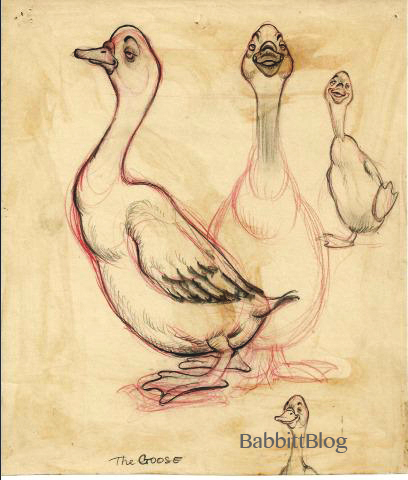
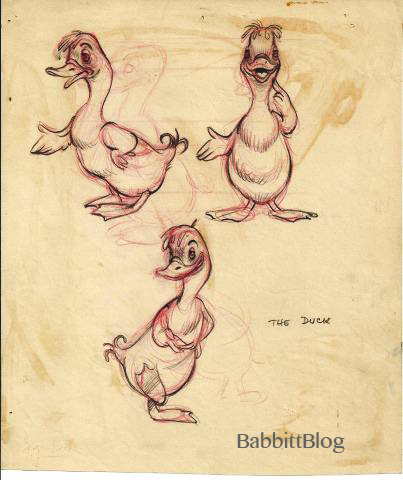
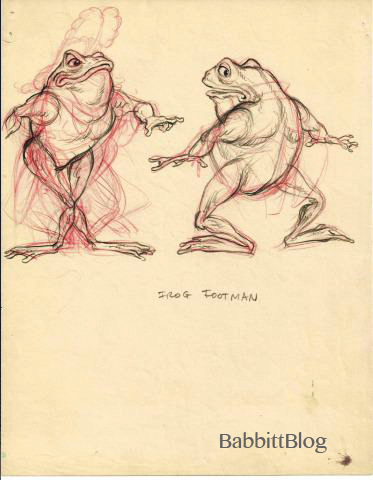
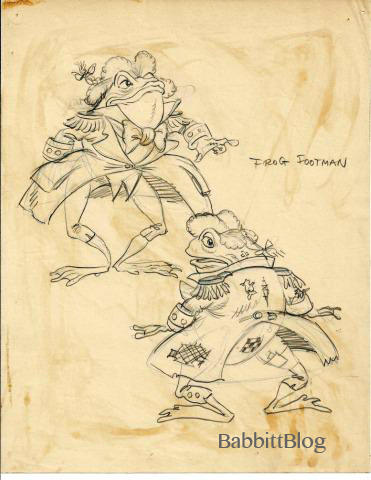
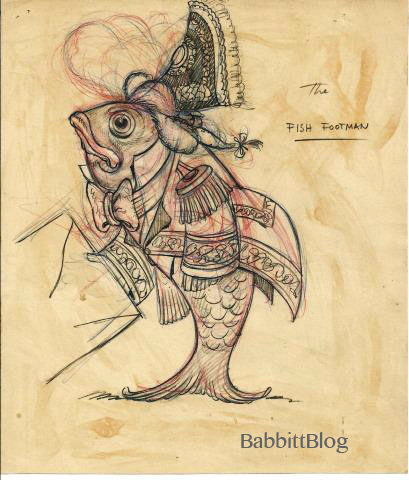
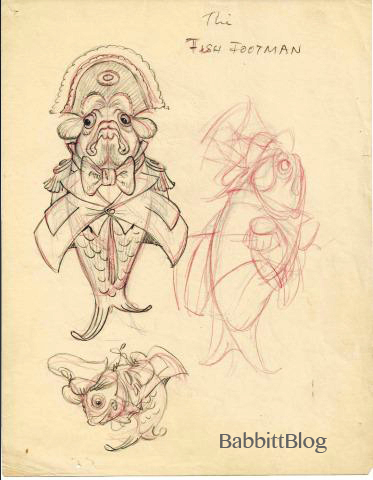
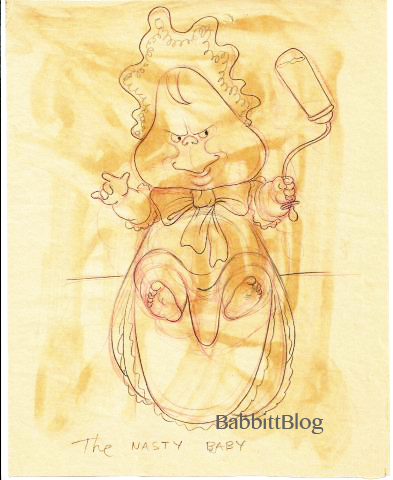
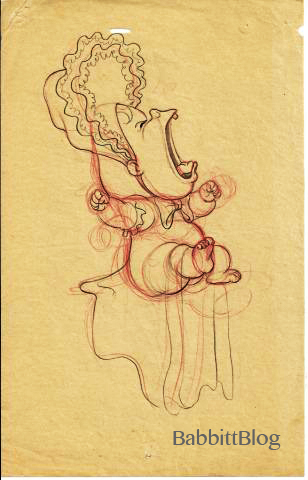
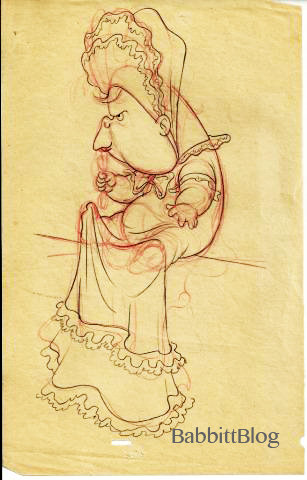
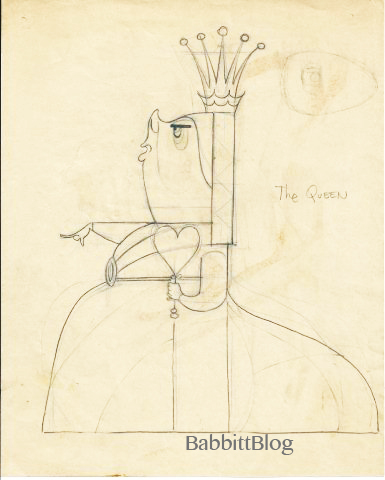
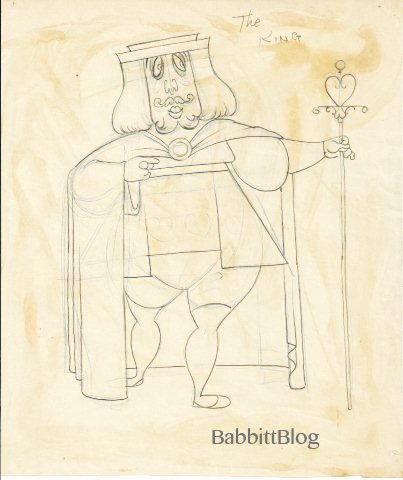
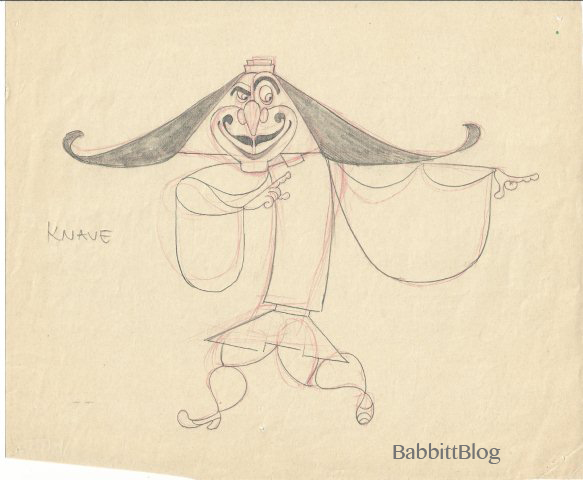
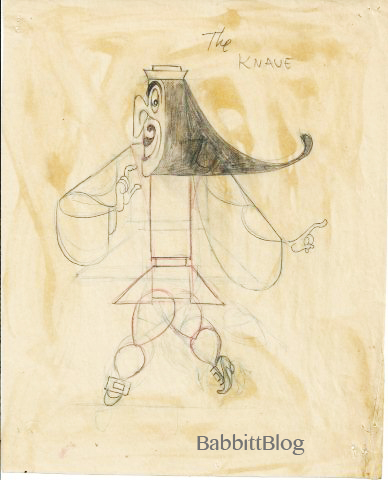
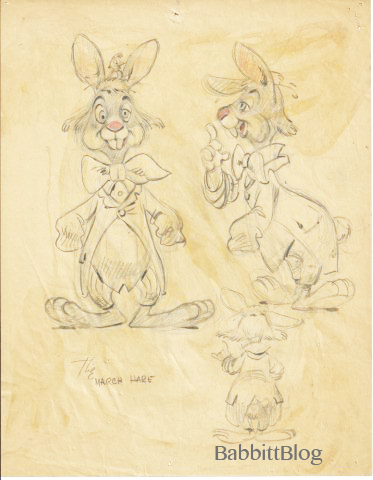
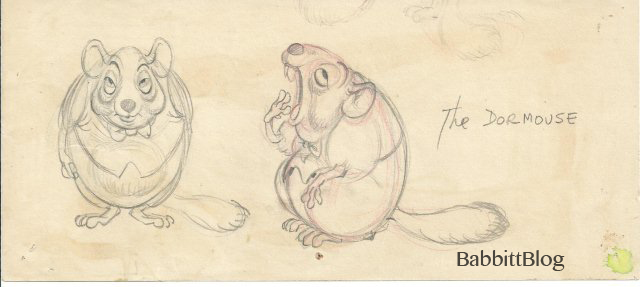
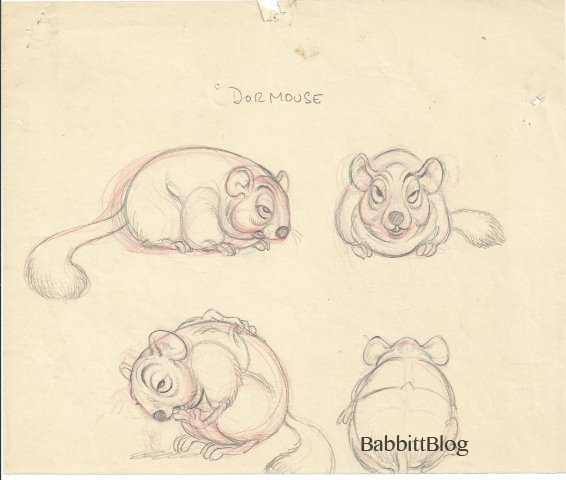
More Alice In Wonderland Character Designs

After I previously posted some Babbitt drawings of characters for Lou Bunin’s Alice in Wonderland, I stumbled across a tribute website that his daughter, Amy, put together.  She writes:

“Lou began working on Alice in 1946, just after the end of World War II. The way he told it, French francs were “frozen” after the war, and couldn’t be exported. They also were terribly inflated, and worth less every day. One way to get money out of the country was to invest in an American film, which could be produced in France and then shipped to America. […]He hired Art Babbitt, a former Disney animator, to design the motions of the puppets. He also had Bernyce Polifka and Gene Flury, a husband-and-wife design team from the Warner Brother’s cartoon studio, design the stylized sets and characters[.]”

Click to enlarge.

She also writes about Disney’s suppression of the movie and the law suit against it.

This is a very sad thing: it would be the first of many projects of which Art Babbitt would put in enormous amounts of sweat equity with no return.

He left Disney’s expecting to make a name for himself in the burgeoning aesthetic of stylized animation, ready to leave the “fuzzy bunnies” of fairytale fare.  Instead, due to no fault of his own, it was just one big let-down after another:  Finnian’s Rainbow directed by John Hubley, Raggedy Ann and Andy directed by Richard Williams, and other personal projects.

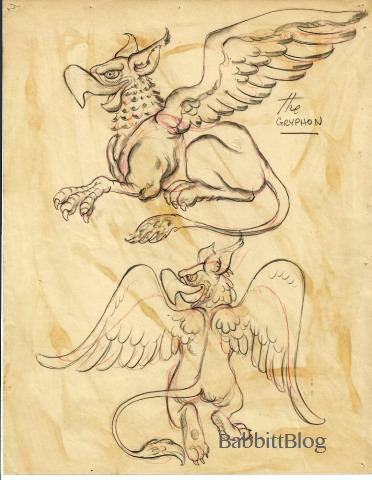
These inspirational pre-production drawings (and these as well)were done in Paris around 1948, when Art Babbitt was excited about the future outside Disney, and eager to see animation stretch to new heights.  Enjoy them – I’m sure Art enjoyed making them.

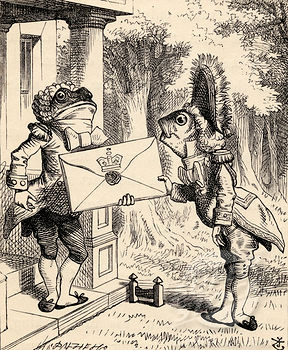
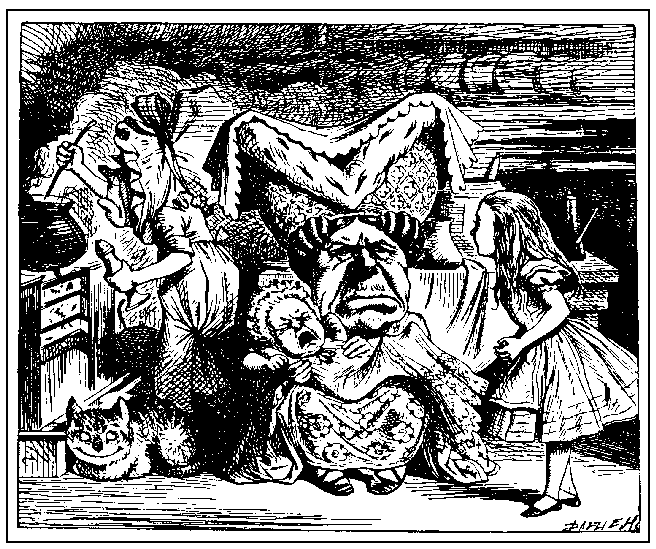
Original drawing by John Tenniel

Original drawing by John Tenniel

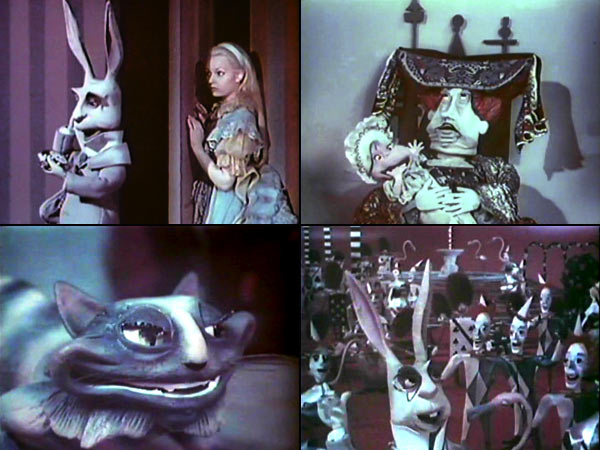
Stills of the final film

Posted in 1946-1970s: Later Years | Tagged , , , | 2 Comments

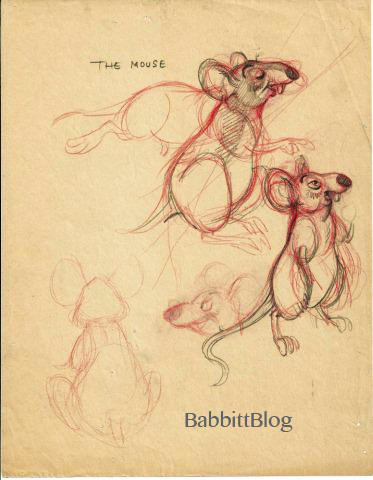
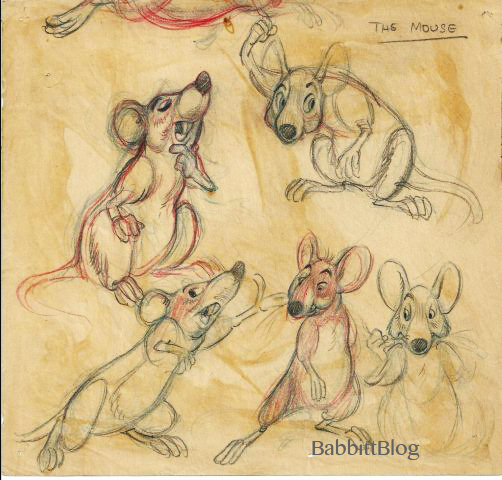
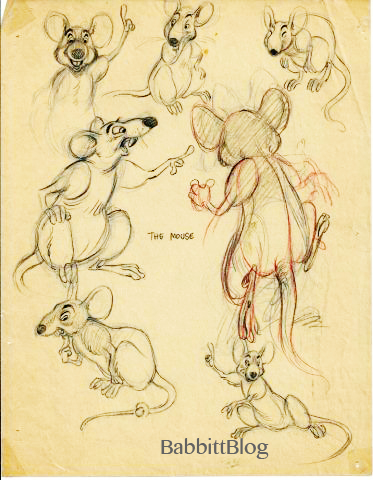
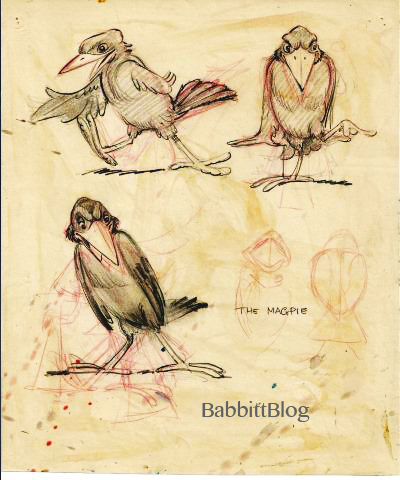
Alice In Wonderland Character Designs

************* UPDATE!  Click HERE for part 2!  **************

Soon after he left Disney in January of 1947, Art Babbitt got a job as character designer with Lou Bunin on his 1949 film version of Alice in Wonderland (eventually released in 1951).  It was to be a live-action actress as Alice and a stop-motion cast of Wonderland creatures.  Apparently Bunin had been fired from MGM studios for being a communist sympathizer – sympathetic company for a shunned strike leader such as Babbitt!

Things didn’t turn out so well for Bunin’s completed movie, which faced law suits from Disney and was buried under Disney publicity.

These never-before-seen character sketches were inspiration for the stop-motion puppet builders.  They have been yellowed with time and paste, but Babbitt’s drawing versatility is evident among them.  This project was produced in Babbitt’s interim between storybook-like Disney studios and the über-stylized UPA studios, and these drawings represent top skill in both those categories.

Stay tuned for MORE later!

Posted in 1946-1970s: Later Years | Tagged , , | 2 Comments

Marge Champion / Marjorie Belcher

There is a lot to say about the great Marge Champion, more than I have time for tonight.  I just had to post something about her because … well, … last night I had a dream that I met her.  I’m not one to dismiss a dream, so maybe if I post something about her, I’ll better my cosmic chances of meeting her face-to-face.

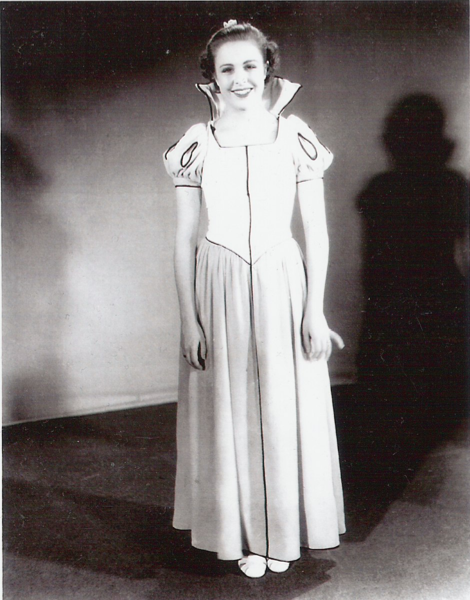
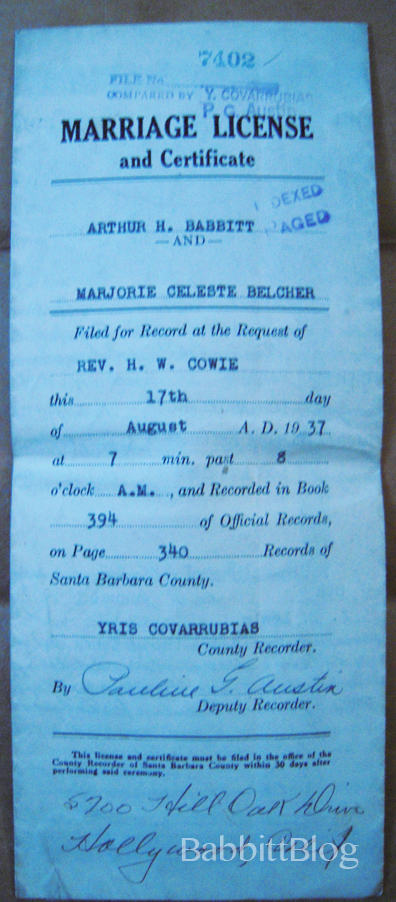
Young Marjorie Belcher was the model for Snow White when she met Art Babbitt as a teenager.  They started courting when she was 17 and he was 28.  They married in August of ’37, when he was 29 but she was still some weeks short of 18 (her birthday is September 2nd).  Marriage licenses below:

This big marriage license is dated Sunday, August 8th, and incorrectly lists Marge’s age as 18.  The smaller license on the right is dated Tuesday, August 17th.  Babbitt had spent much of his twenties lying about his age to appear older – my guess is he put Marge up to bending the truth in this case.
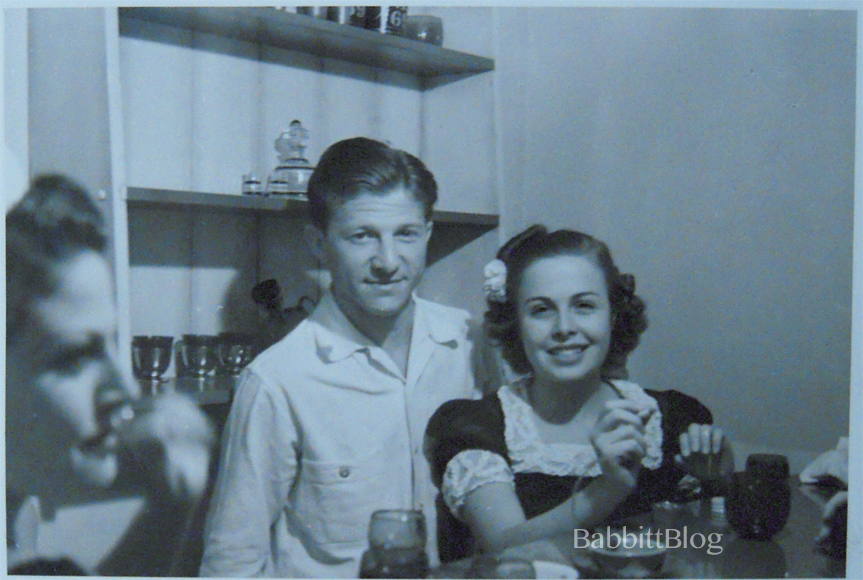
Art Babbitt and Marge, circa 1937

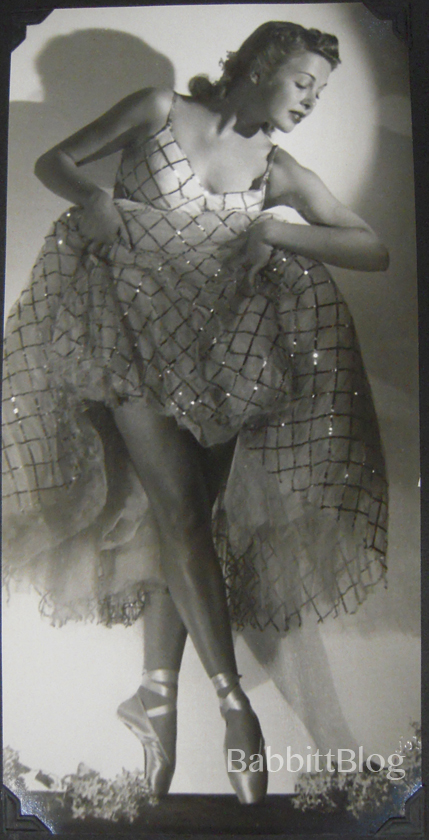
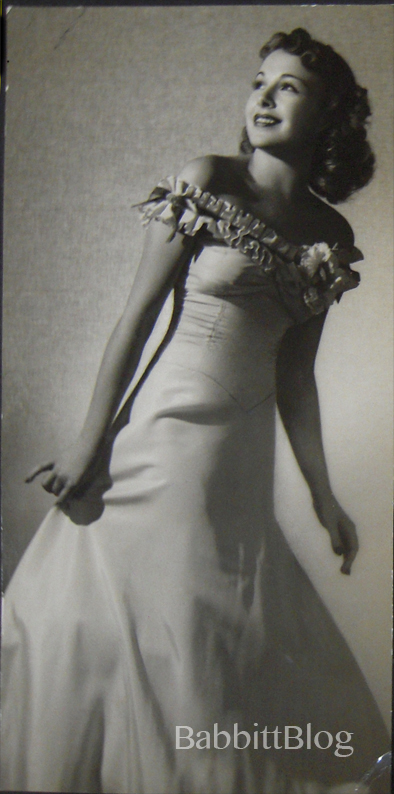
There are quite a few more glamor shots of the lovely Marge Belcher that Art preciously saved in his personal files over the years.  However, they will have to wait for another day.

Posted in 1932-1941: Disney Glory Days, Dance, Disney, Photography | Tagged , , , | 3 Comments

1940: Babbitt and Fergie

The year is 1940.  Disney’s is experiencing the Golden Age of animation.  But just how valuable is Art Babbitt to Walt Disney?

Remember, this was before the “Nine Old Men” became defined as Disney’s top animators.  So we’ll look at a comparative example: Norm Ferguson.Norm Ferguson

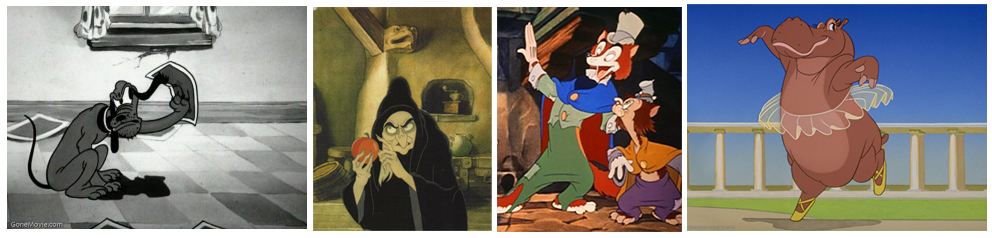
Let’s count what Fergie had going for him:  He came to the studio in the summer 1929.  He’s credited for developing Pluto.  He originated a loose drawing style that allowed for more expressiveness in the characters.  He was the first to master an animated character appearing to think.  He was lead animator of some MAJOR and MEMORABLE characters :  the Witch in Snow White, Honest John and Gideon in Pinocchio, and the Hippos in Fantasia.  By mid-1940, he was 37 years old.

Now let’s look at Art Babbitt.   

Babbitt came to the studio in the summer of 1932.  He is credited for developing Goofy.  He originated character analysis that allowed for a deeper understanding of how the characters behave.  He was the first to master character-specific movements.  He was lead animator of some MAJOR and MEMORABLE characters :  the Queen in Snow White, Gepetto in Pinocchio, and the Dancing Mushrooms and Thistles  in Fantasia.  By mid-1940, he was 32 years old.

But who was more valuable to Walt Disney, and by how much?  Well, the best way to gauge an employee’s value is to see what his salary was.  Now let’s look at some government records from the 1940 census.

Norm Ferguson’s 1940 Census Record (click to enlarge)

In 1940, Fergie worked 44 hours a week, 52 weeks a year, and Walt paid him $5000 annually.  Want to take a guess at what Walt thought Babbitt was worth by comparison?

Art Babbitt's 1940 Census

Art Babbitt’s 1940 Census Record (click to enlarge)

In 1940, Babbitt worked 44 hours a week, 50 weeks a year, and Walt paid him “about $5000” … or does that say “over $5000”?  You be the judge.

And there you have it:  Art Babbitt’s worth to Walt Disney, just 16 months before he led the studio strike.  While Art was a strike-leader of ’41, Fergie was elevated to producer, heading up production for Saludos Amigos.  It makes you wonder what fate would have found Art Babbitt had he stayed inside.

And while we’re here, also check out the salary of Art Babbitt’s wife, Marge Champion – the year she was the model for the Fantasia hippos and the Blue Fairy in Pinocchio.  She worked 20-hour weeks, 3 weeks a year, earning $900 total.  It looks like she helped pay for the (black) live-in-maid, who appears to have escaped the dust bowl of Kansas only to find herself earning bottom wages in California, where she met her husband and eventual “lodger” in the Babbitt home.  Phew!  What a story, and all in a census!

For more information on Fergie, check out these posts by bloggers Michael Sporn and Grayson Ponti!

Posted in 1932-1941: Disney Glory Days, Disney, Genealogy | Tagged , , , , , , , , | 3 Comments

Disney and Babbitt – the 30s in Public Records

As the authorized biographer of Art Babbitt, I have access to a lot of private materials – photos, home movies, journals, etc. — all chronicling this man’s incredible life and complex mind.

But today I’m going to present some non-exclusive documents – – information public to everyone in the U.S.  It’s a birds-eye-view of an entire decade of through records that are open to anyone.  So join me through the annals of the the library as we look at Walt Disney and Art Babbitt through public records.

The 1930 Census

Art Babbitt in the 1930 Census (click to enlarge)

In 1930, Art Babbitt was living at 170 Bloomfield Ave (Broadway) in Passaic, NJ, with his wife Rose.  He was renting an apartment for $40 a month.  He was 22 years old, Rose was 20.  He was 22 when he married her, she was 19.  He told the census taker that his parents were born in Iowa, and he was employed as a commercial artist for motion pictures.

Now, it’s worth noting that Art Babbitt admitted to marrying three times – but does not include Rose in that number.  Apparently, he and she annulled their marriage shortly after (more on Rose on another day).  He also tells the census taker that his parents were from Iowa: a lie – they were from Russia and raised Art in Iowa.  Arthur’s desire to distance himself from his Russian heritage may have been a result of the ongoing Red Scare that had started around 1920.  He also started going by the last name “Babbitt” instead of “Babitzky” around this time.

Walt Disney in the 1930 Census. Click to Enlarge.

Meanwhile, at 2495 Lyric Ave in Los Angeles, CA, Walt Disney owned an $8000 home with his wife Lillian.  He was 28, she was 30, and he was 24 when they married.  His father was from English-speaking Canada, his mother from Ohio.  He worked as a producer of motion pictures.

Ship Manifests

Back before air travel became commonplace, people would travel cross-county either by train, car, or a mini-cruise on a ship through the Panama Canal.

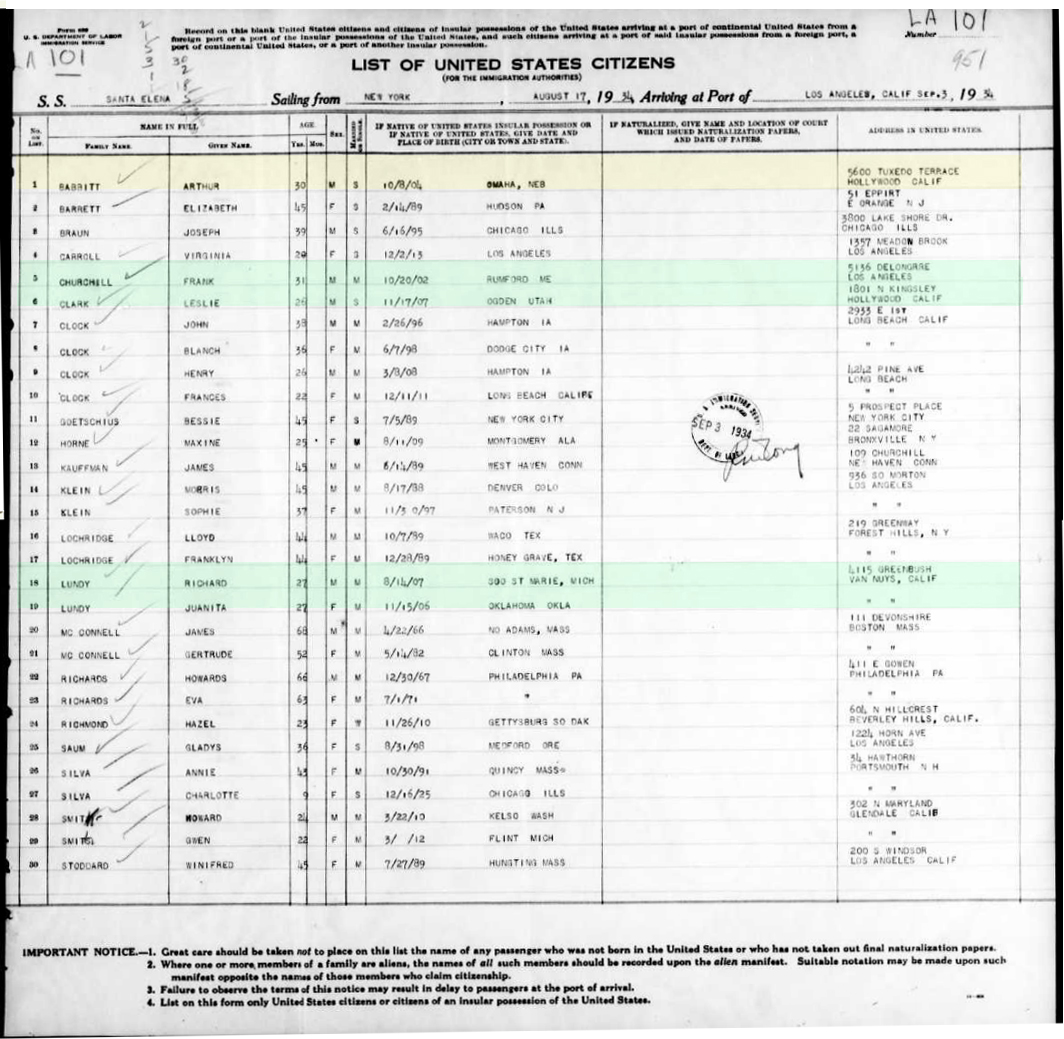
On August 17th, 1934, Art Babbitt departed on a boat from New York  to arrive at L.A. on Sept 3rd. By now He was living at a swanky bachelor pad on Tuxedo Terrace in Hollywood.  He lied about his age here, adding 3 years.

Art, who had already animated on “The Three Little Pigs”,  traveled with friends Frank Churchill (composer of “Who’s Afraid of the Big Bad Wolf”), Dick Lundy (main animator on “Three Little Pigs”), and Art’s friend and fellow animator, Les Clark.

…………………………………………….

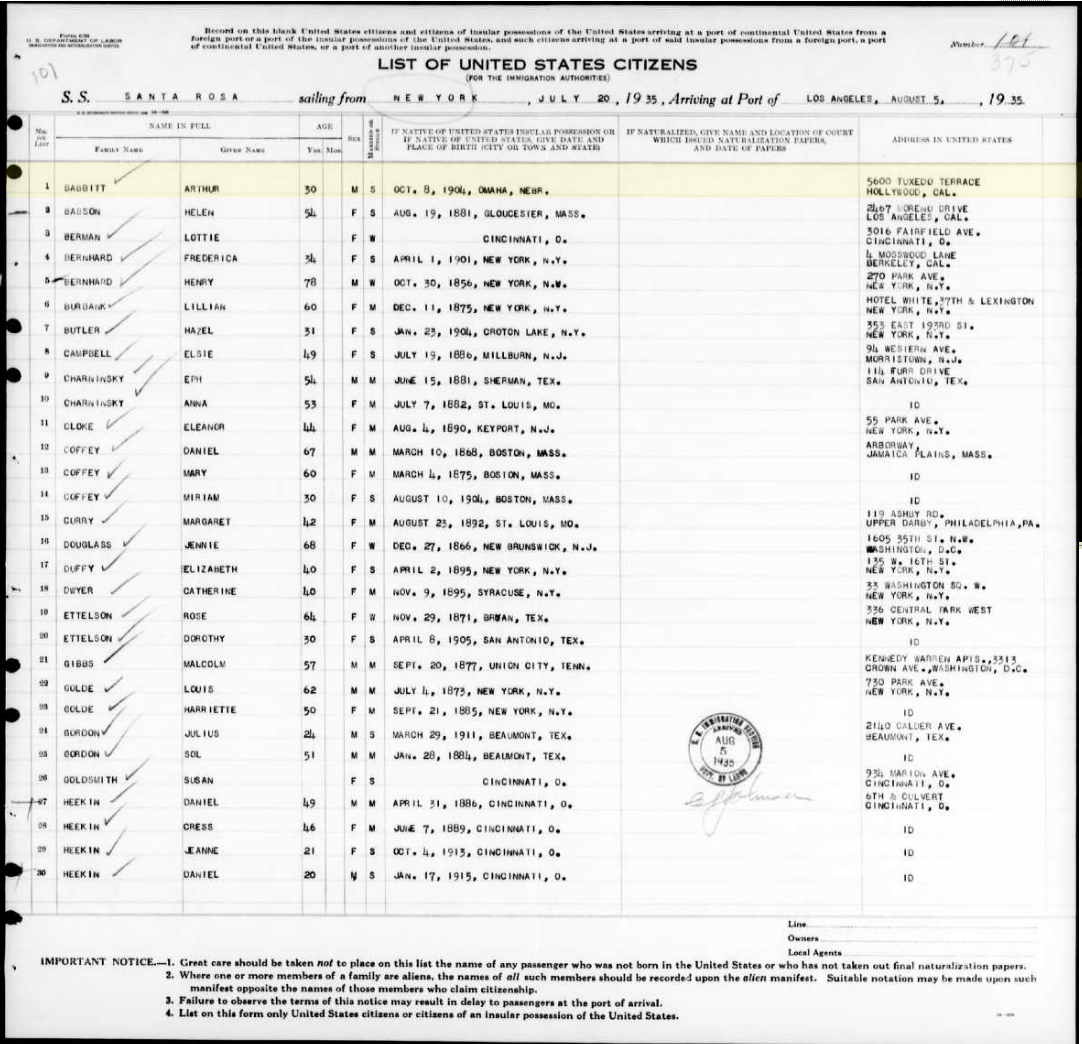
On July 20th, 1935, Art Babbitt traveled by ship from New York, to arrive in Los Angeles on August 5th.

Art was still living on Tuxedo Terrace, and he’s still lying about his age.  He says he’s 30, but he’s only 27.

By now Art had been sharing his home with his friend, animator Bill Tytla. ……………………………………..

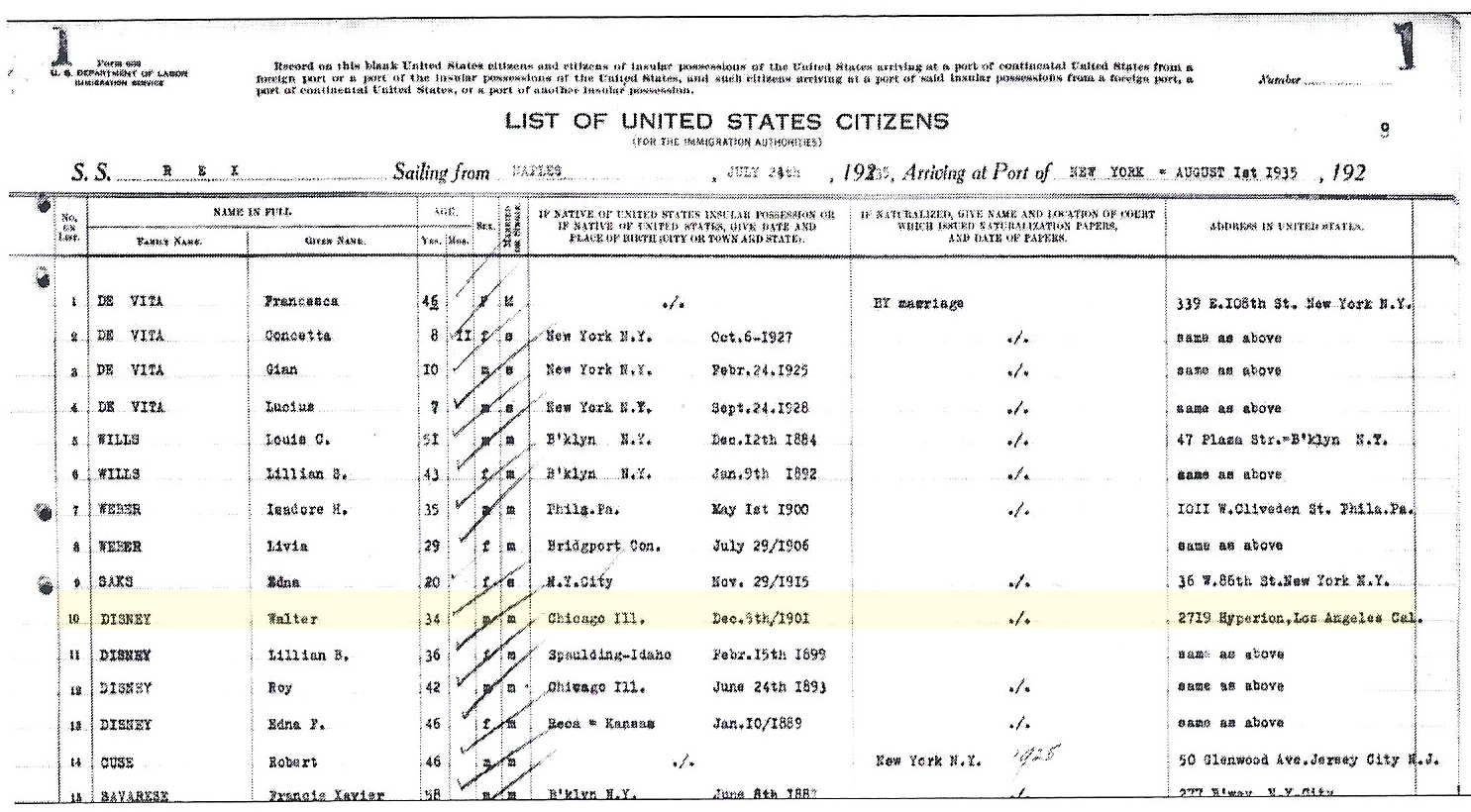
On July 24th that year, Walt Disney, his wife, brother and sister-in-law departed Naples, Italy and arrived in New York on August 1st.  For their home address, they all put down that of the Disney animation studio on Hyperion Ave.

…………………………………………

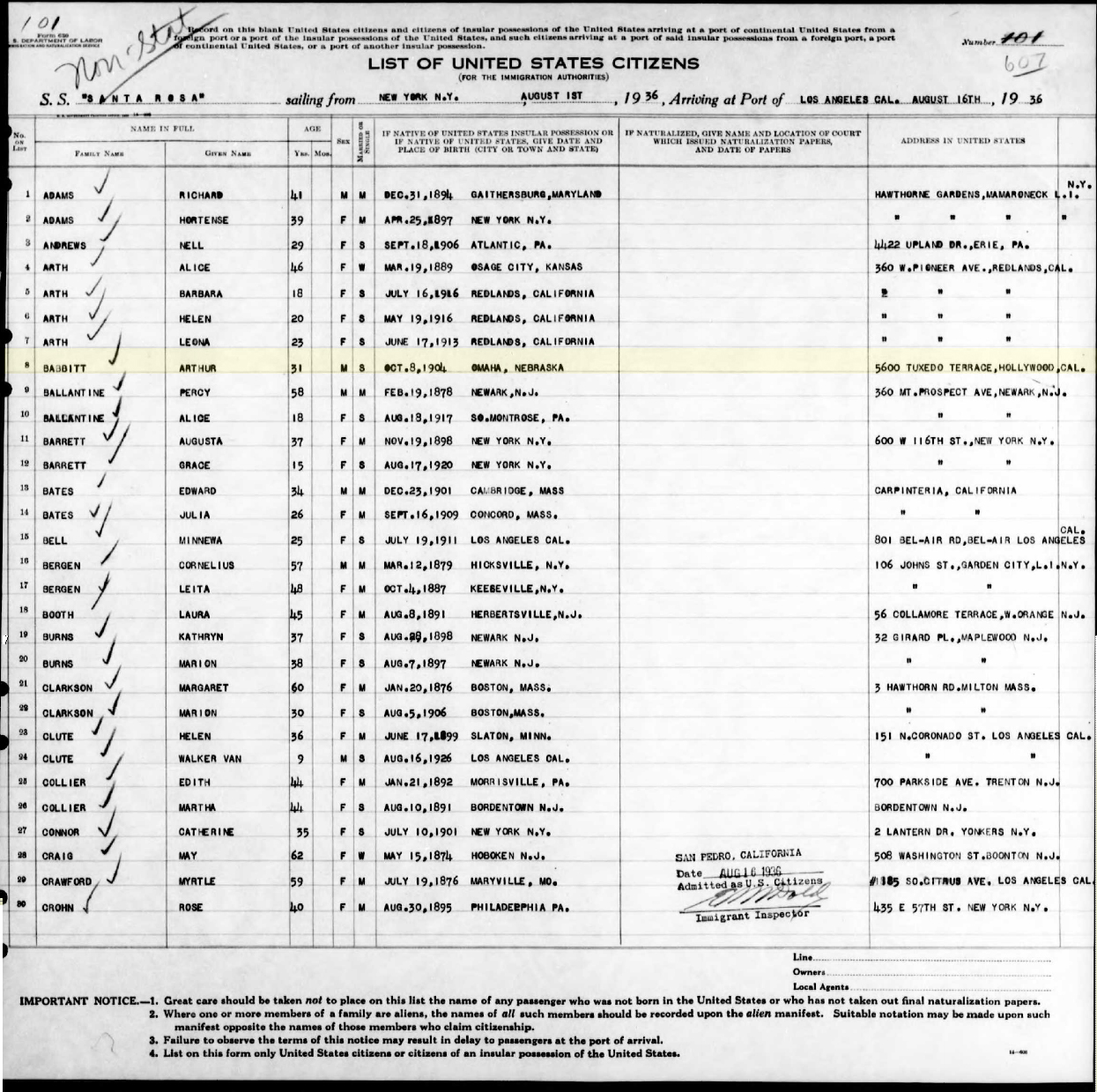
On August 1st, 1936, Art Babbitt departed New York to arrive in Los Angeles on August 16th.

He was still living on Tuxedo Terrace, and still lying about his age.

At this time, Art  has been courting Marge Champion, the model for Snow White.

……………………………………………

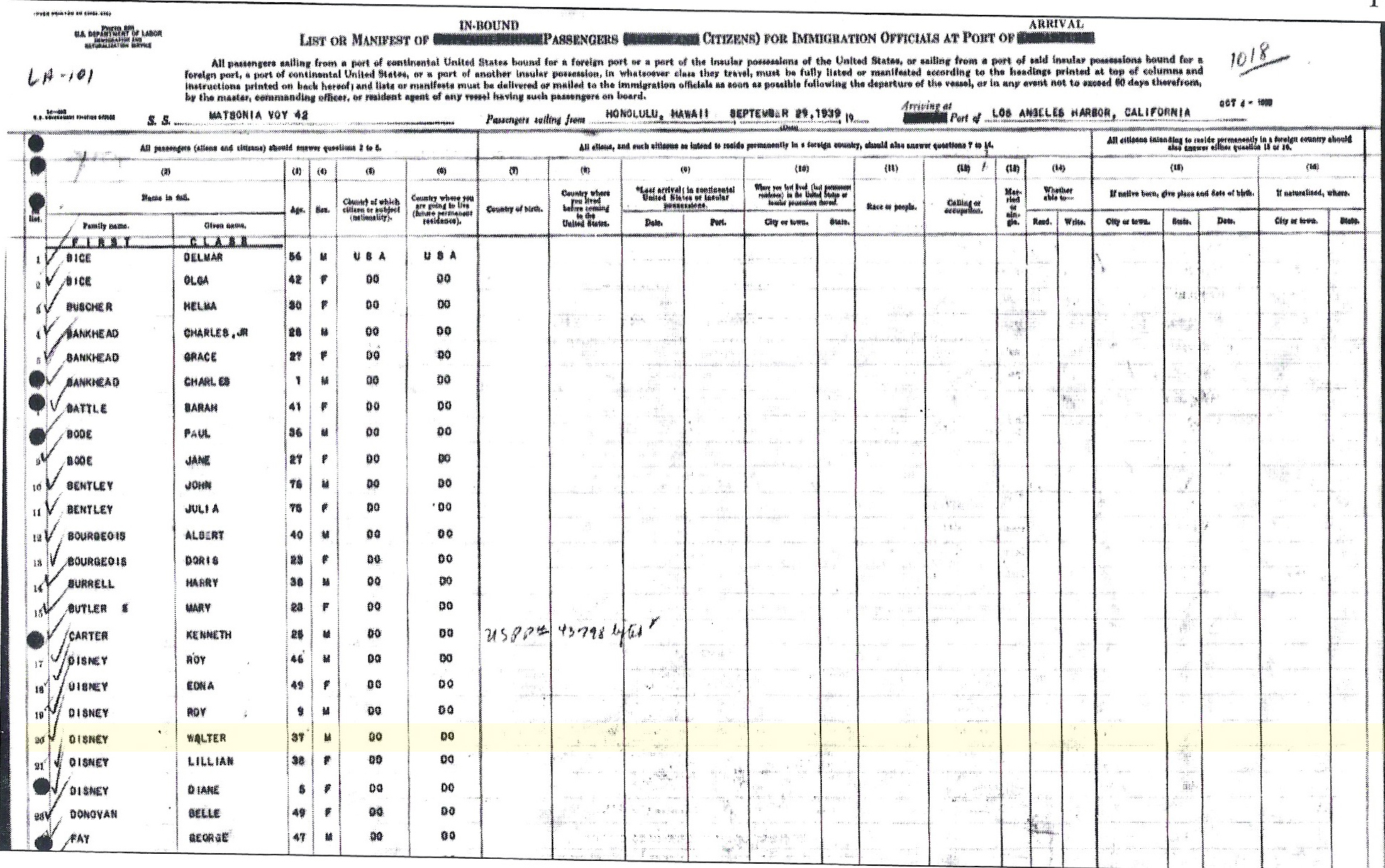
Flash forward three years.  Snow White is a hit, and they’re working on Pinocchio and Fantasia.  Walt Disney and his whole family – wife, daughter, brother, sister-in-law, nephew – depart Honolulu, Hawaii on Sept 29, 1939 and arrive in Los Angeles on Oct 4.

………………………………………….

———–Stay tuned for more! —————–

Posted in 1929-1932: Terrytoons, 1932-1941: Disney Glory Days, Disney, Genealogy | Tagged , , , , , , , , , , , | 2 Comments