Friends with the Jewish Mafia

In 1975, John Canemaker asked Art Babbitt what made him want to draw in the first place.

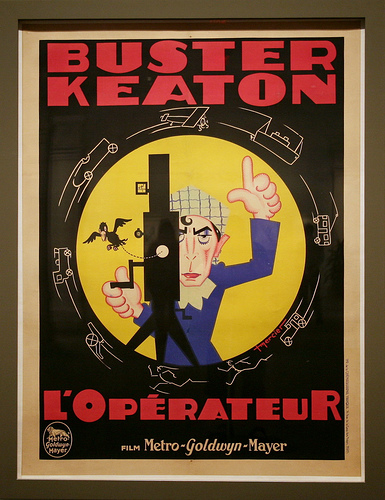
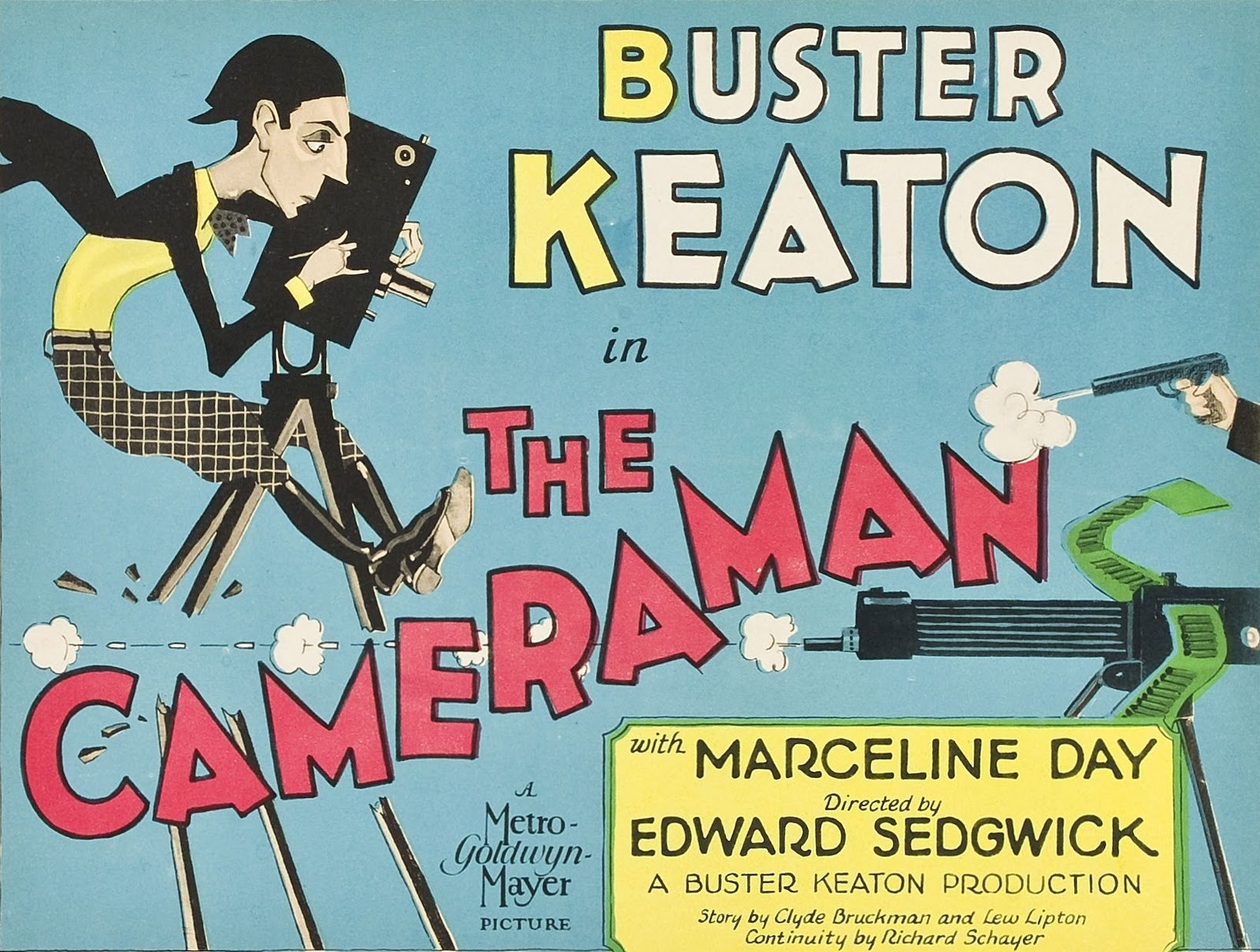
When I was in the second grade in public school [circa 1915], there was a kid who sat across the aisle from me.  We all called him Twinkles.  And the reason for that was his eyes would blink constantly, and he stuttered, and he had a little indelible pencil about that long, and he would lick the pencil as he blinked and stuttered and then he’d make a little drawing and keep licking the pencil and it always turned out to be the same drawing.  And what it was, was a cameraman grinding a hand-cranked movie camera and the cameraman had his hat on backwards and wore puttees.
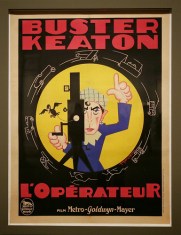
And god how I wished I could draw like that!  And I tried licking an indelible pencil and blinking but none of that worked.  He did become a gunman, no kidding.  Yeah, Twinkles.  Some of my best friends are in the best penitentiaries.
*    *    *
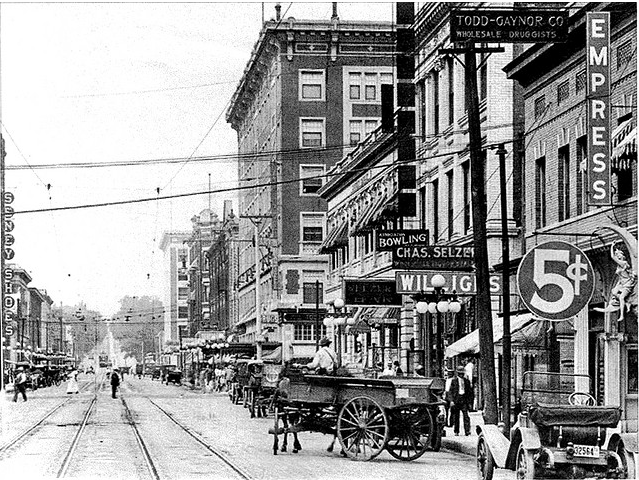
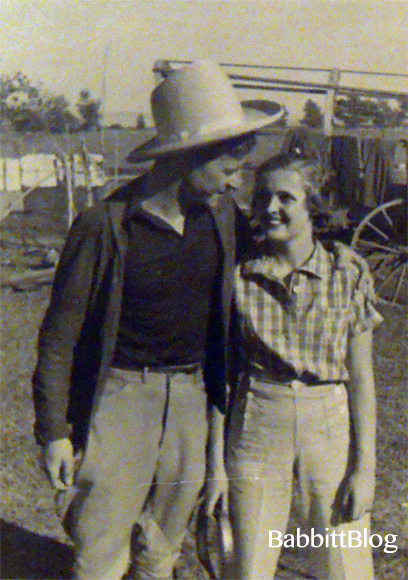
Sioux City, Iowa seemed like a fine place to raise traditional Jewish family.  Arthur’s father  was a very religious man and Sioux City had a bustling Jewish population (mostly other Russian immigrants), with synagogues and kosher butchers.  From age seven to sixteen, Arthur grew up in the midwestern town with the Jewish and black boys, pulling pranks and having adventures on par with Tom Sawyer.

Prohibition became a federal law in 1919, when Arthur was nearly twelve years old, and Iowa had voted itself a dry state in 1916.  According to writer Susan Berman, “In those days Sioux City was called ‘Little Chicago’ because all the gangsters from Chicago used to move in when the heat was on at home.”
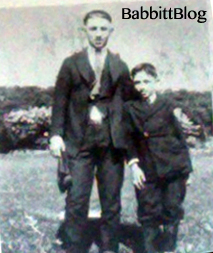
Davie Berman and Chickie Berman 1918

Davie and Chickie Berman, 1918

The Jewish sector of Sioux City was the childhood home of mobsters David “Davie” Berman and his younger brother Charles “Chickie” Berman.  By the 1920s, the Berman gang would rule the casinos and bookies of Minneapolis, and later, Las Vegas.  They would keep company with Jewish mob bosses Bugsy Siegel and Mayer Lansky, and they rivaled Al Capone.  Older brother Davie was the head honcho, and, according to Davie’s daughter Susan Berman, “Chickie had begun to follow in his brother’s footsteps.  He became a Mob torpedo and then started to run gambling clubs in Minneapolis.”

Chickie Berman was Arthur’s age.

*    *    *

In an interview with Bill Hurtz, Babbitt explains further:

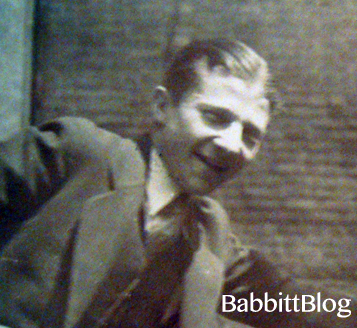
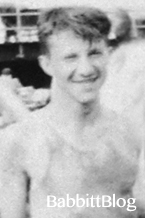
Babbitt in the 20s

Twinkles became a success.  He became a gunman for Chick Berman, another schoolmate of mine, who was in charge of politics, prostitution and gambling in the Minneapolis area.  And years later when there was a cleanup campaign in Minneapolis, Chick Burman came to my home and Twinkles was one of his gunmen.

.

.
.

“Twinkles” might be Jack “Rabbit” Badden, a member of the Berman gang who “was a little hard of hearing, and he stuttered,” writes Susan Berman.  She later writes,

It was May 6, 1927.  According to The New York Times, my father had arrived in Manhattan to engineer the kidnapping for the Mob of a bootlegger named Abraham Scharlin and a partner of Scharlin’s named Taylor.  Bootleggers were prime kidnap victims in those days.  They had the money for ransom and their associates didn’t go to the police.

Chickie Berman and Davie Berman circa 1934

Babbitt continued telling Hurtz:

… And Chick and his close associate, Monty – Chick and Monty were the only ones that had a college education in our group – gathered around the fireplace along with a good-looking moll, but Twinkles stayed in the background, near the door, just in case.
_And Chick asked me, you know,“How’d you ever get mixed up in this thing that you’re in?  I understand you’re some kind of an artist or something.
_I said, “Yeah.”
_He said, “Well, how come you’re not sitting on silk pillows?”
_I said,  “Well, I’m not that kind of an artist.”
_He said, you know, “But what happened?”  You know, “What brought this on?”
_And I said, “Well, Twinkles is largely responsible,” and I related the story of twinkles and his indelible pencil.
_And as I told the story, Twinkles became intrigued and he moved up closer, and then Twinkles started to sway back and forth and swivel, and he says, “Sometimes I still do it.”

.

All non-Babbitt info was supplied by Susan Berman’s book, Easy Street.  Copyright Dial Press, New York. 1981.
Posted in 1907-1924: Sioux City Kid, 1924-1929: Illustrator in NYC, mafia, politics | Tagged , , , , , , , | 4 Comments

The Many Dates of Art Babbitt

I know I haven’t written an entry in a few days – I’m actually working on the actual book proposal!  I’ve been reading, researching and writing  (would Art Babbitt say, “righting”?) the story of Disney’s most influential Golden Age animator.

I just finished devouring a terrific novel that dips its toe into historical fiction, called The Irresistible Henry House.  In it, 19-year-old Henry lands a job as an inbetweener on Mary Poppins.  The author, Lisa Grunwald, did a decent job re-creating what I always imagined the Disney Studios to be like in the early 60s.  And I’ve dedicated years to reading about this stuff.

After Henry learns the artist’s approach to life drawing and the art of inbetweening, he begins to translate that into his everyday pursuit of — getting laid.  Yes.  Sex.

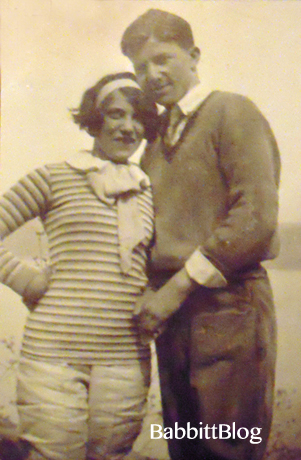
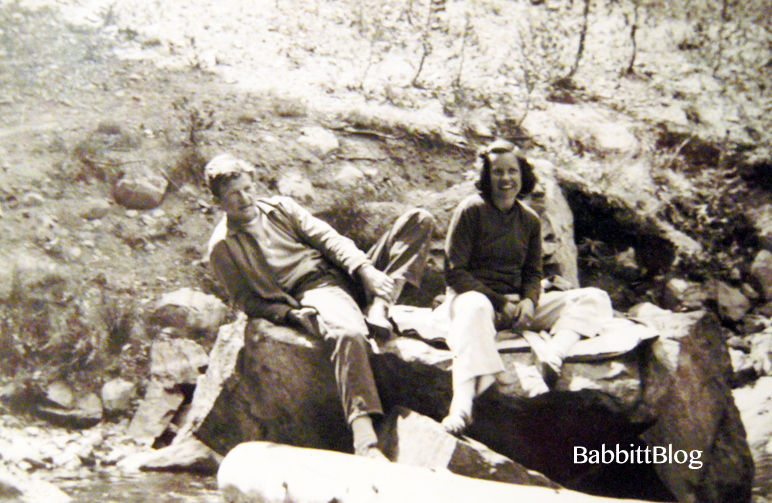
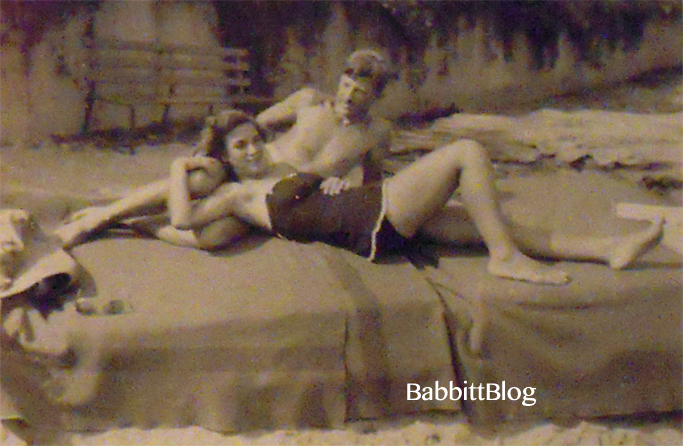
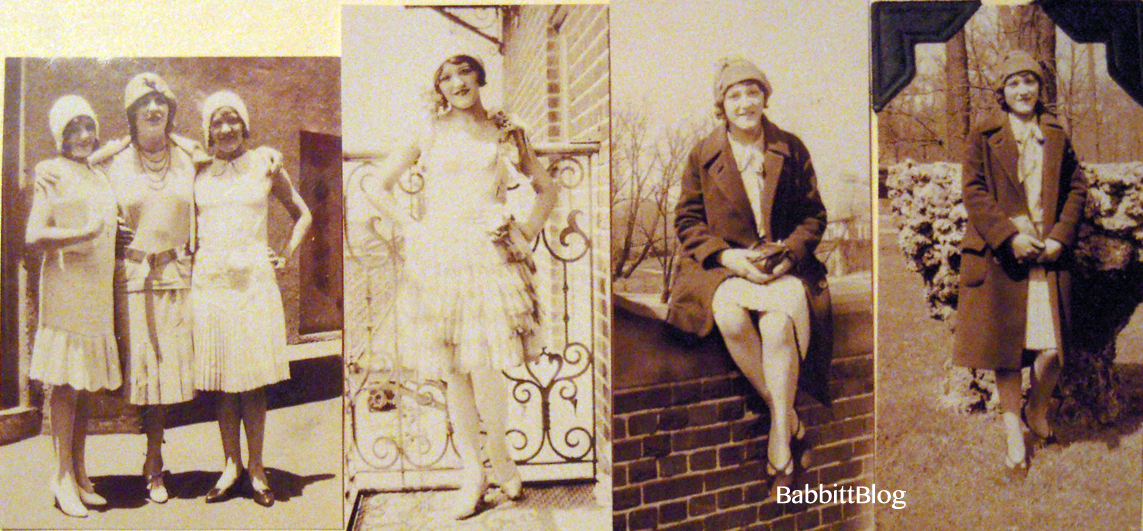
In the Roaring Twenties and into the Dirty Thirties, our own red-blooded young animator, Art Babbitt, was charming the ladies into his private company.  He married four times, but in between he set out pursuing romances in a way that speaks true to many young artists with confidence and means.

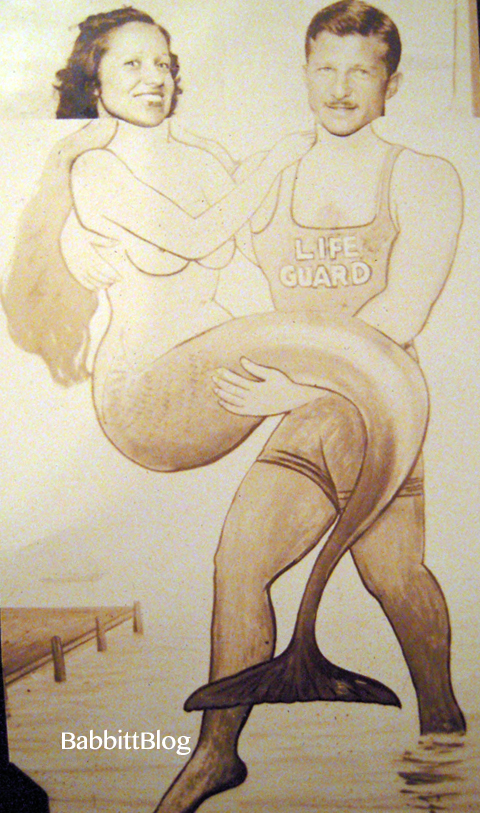
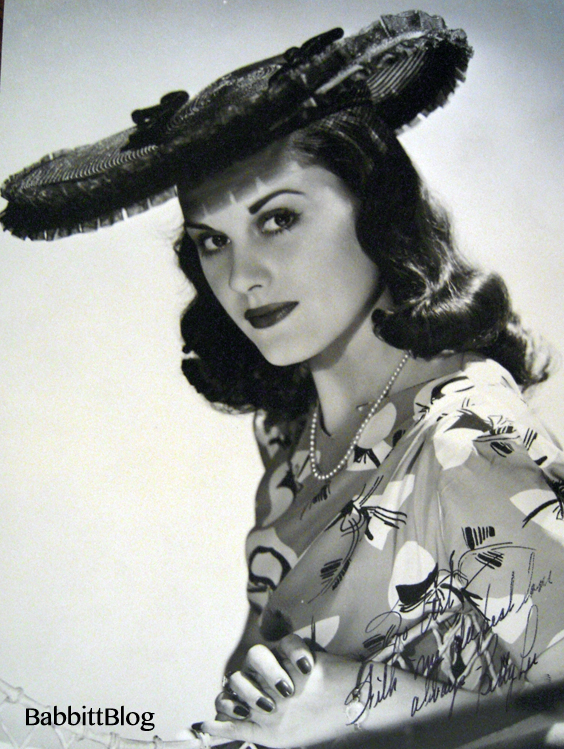
Below are photos of some of young Art’s ladyfriends from his own files dating from the early 1920s to the mid-1930s.  He wasn’t romantic with all of them, but he seems to be quite a flirt.  Interspersed are quotations from Grunwald’s superb book, which I hope I don’t get sued for using here.  (P.S. you should buy the book.  Several copies.)

.

.

.

.The thing with women had become so easy.  It took remarkably little for Henry to figure out how to get them.  Part of his success, he knew, was the certainty of success itself.  It never occurred to him that any of them would be ungettable.  It was merely a matter of working out the steps from apart to together – just like the steps in in-betweening. (p.298)

Apples were not circles; chair legs were almost never perfectly perpendicular to chair seats […]  In this way, Henry eventually came to see the three current women in his California life as well.  It was as if he had turned them all upside-down, to study how they were in reality.  He could see in each the relationship of beauty to personality, neediness to generosity, humor to brains, silliness to insecurity.  He could see their mouths and hands, their hair and clothes.  He could see their attraction to him, and – understanding every aspect of them individually – he could understand where he found beauty in them.  But he never let his eye trick his mind into seeing them whole, as symbols of anything greater than their parts. (p. 283)

Kelly Lee, from Rio

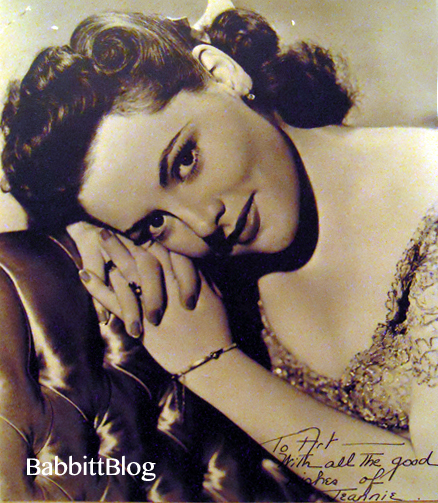
actress Jeannie Cagney (Jimmy’s sister) was Art’s date to the premiere of Snow White.

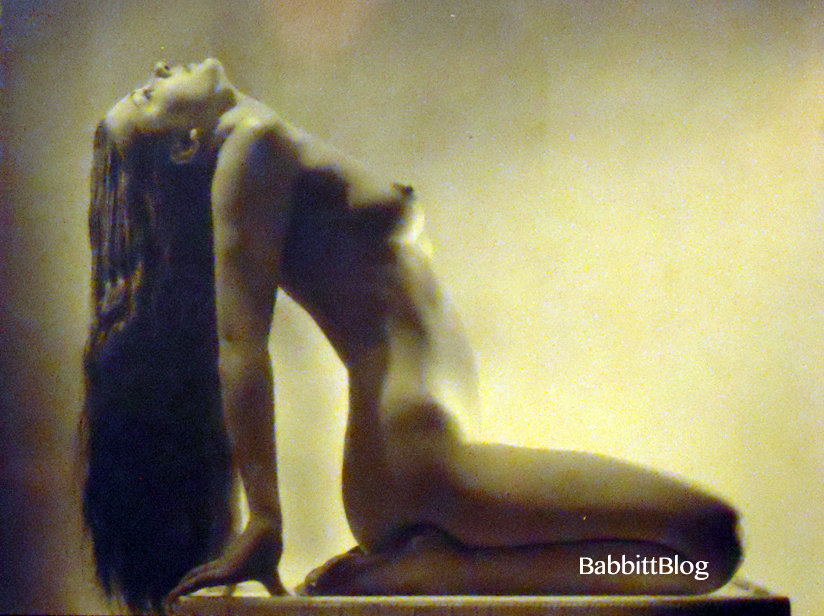
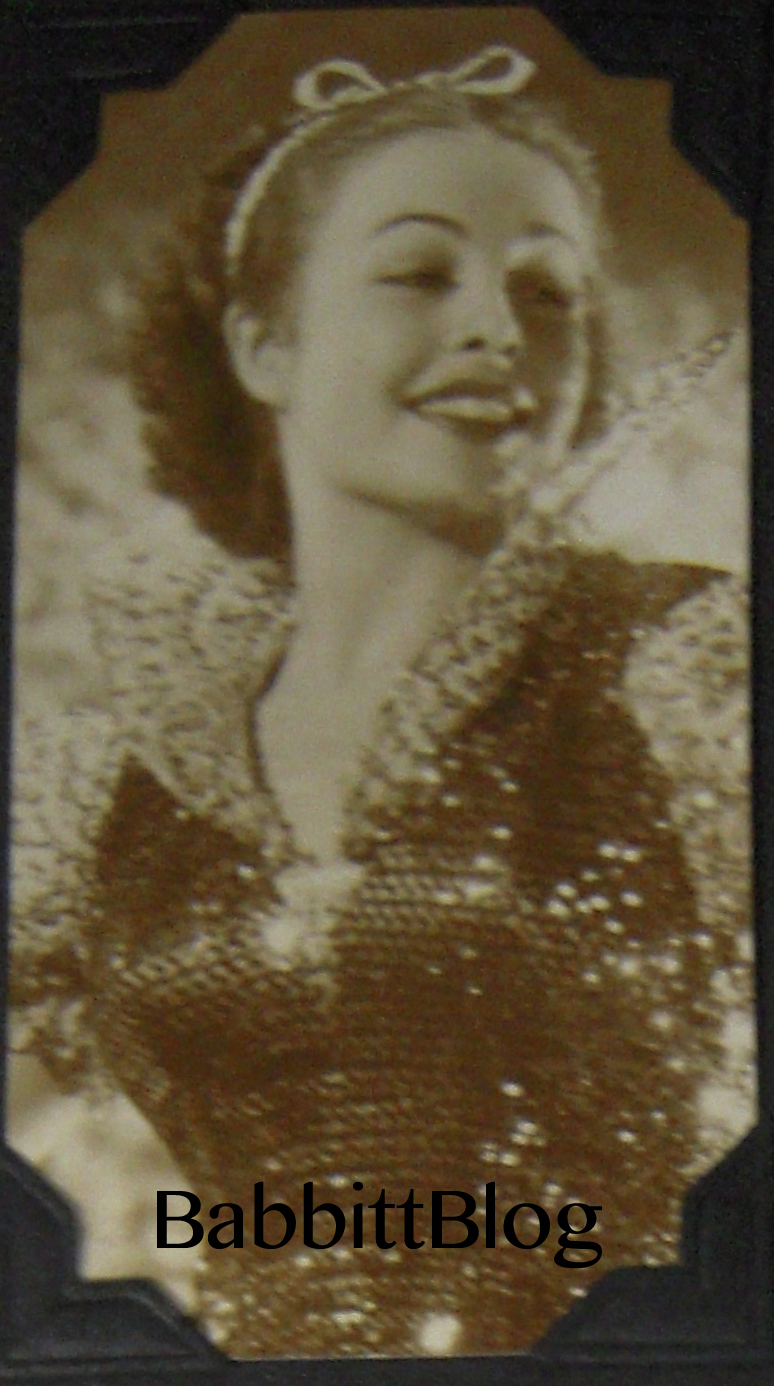
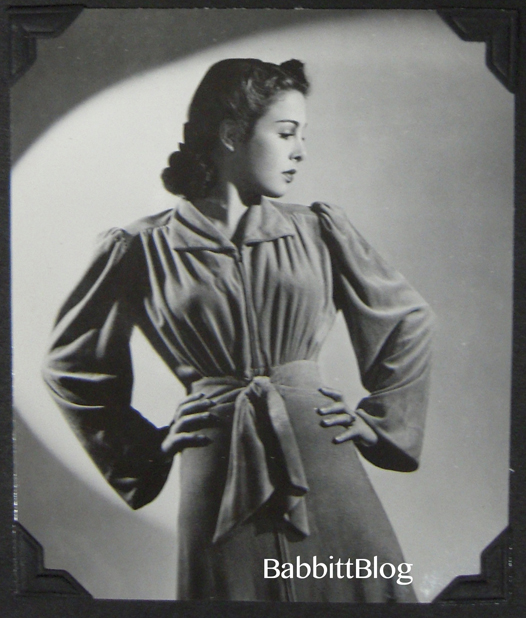
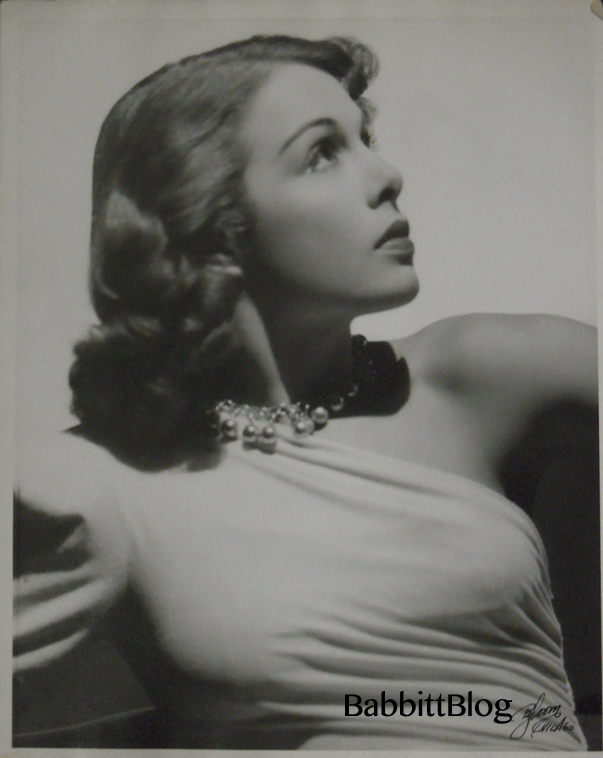
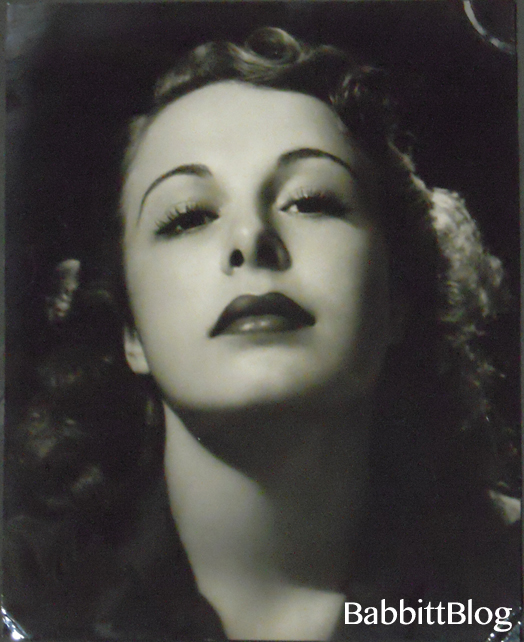
model Sandra Stark (above and right) was Art’s actual flame in the ’30s.

Posted in 1924-1929: Illustrator in NYC, 1929-1932: Terrytoons, 1932-1941: Disney Glory Days, New York, Photography | Tagged , , , , | 1 Comment

Organized Labor vs Steamboat Willie

Sure, Art Babbitt and Walt Disney fought on opposite sides of the union during the Disney Strike, … but Walt Disney had a run-in with union unrest before Mickey Mouse ever premiered in his first film, Steamboat Willie!

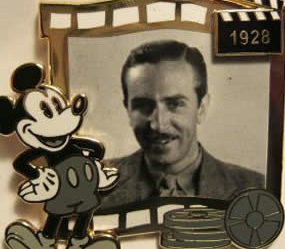
In late August of 1928, Walt Disney took his completed silent reel of Steamboat Willie to New York City to give it the newest invention in motion pictures – a “soundtrack.”  This was the third Mickey Mouse short that Walt and his team produced, but the first one in which the characters’ synchronized sound would actually guide the plot – once the soundtrack was added, that is.  Without sound, Mickey’s musical antics just wouldn’t make any sense; with sound, it would look like drawings are actually making music on their own.

This was quite an experiment!  No sound cartoons had ever been released, but in this visit to New York, Walt had a viewing of a new sound cartoon by Paul Terry called  Dinner TimeIn this substandard cartoon, the soundtrack might as well be a live organist as in the silent film houses.  This was not Steamboat Willie.  Walt was ready to blow them away with drawings that appeared to play musical instruments.  No one in the audience would think about the hired orchestral musicians that actually recorded the music the Mouse was making.

Walt had been in New York as recently as February 1928, to make the last of his meetings with dirty businessman Charles Mintz.

This time, it was businessman Pat Powers who offered 27-year-old Walt the use of his Cinephone system (adding a soundtrack to his films) for a whopping $26,000 annually, and agreed to distribute his cartoons.  Powers introduced Walt to some of the folks in the biz, including the musicians he’d be working with, as well as conductor Carl Edouarde.

.

.

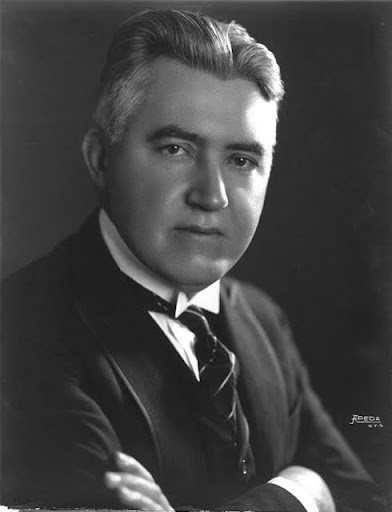
• Carl Edouarde was the pit conductor of the Strand Theater Orchestra on 47th street and Broadway, and composed sheet music to accompany silent films like The Hunchback of Notre Dame starring Lon Chaney.  He led the seventeen musicians who performed for Steamboat Willie.

.

.

Efforts to make the first-ever synchronized recording went up in smoke.  Screening the completed silent cartoon before Edouarde and his Orchestra in real time was more distracting than helpful.  Not only that, the musicians seemed to have their own issues with their recorded instrumentation.  In a letter dated September 20, 1928, Walt writes to partner Ub Iwerks in California,

Boy, the unions are sure tough on movie recording.  They are doing all they can to discourage the “Sound Film” craze.

.

No wonder.  Unions were a newly empowered mechanism, and motion pictures were a new industry.  Musicians counted on the income from playing multiple screenings of silent films, but a pre-recorded soundtrack would change all that.  There was no Screen Actor’s Guild in 1928, but there was an American Federation of Musicians, and this would be the first of many squabbles that contributing artists would have with the movie industry.  (It took years before actors could earn residuals for the work they did in a film and not go broke for lack of jobs).

Also, outside coal-mining towns, farms, and the like, Walt was starting to realize a truth – that  New York was the biggest hotbed of union activity.

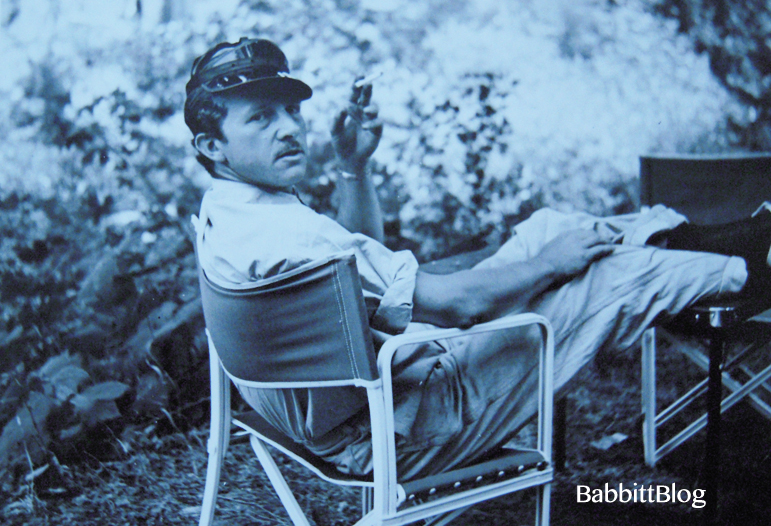
Art Babbitt 1928

.

• At the very moment Walt Disney and Carl Edouarde were recording the sound track for Steamboat Willie at 1579 BroadwayArt Babbitt was working NEXT DOOR as an independent illustrator at 1587 Broadway!

.

Because the soundtrack recording didn’t work the first time, Walt needed some more capital.  He wrote to his brother and business partner Roy, telling him to sell his Moon Cabriolet roadster, and with the money Walt would go in for a second recording session.  Walt’s creative partner, Ub Iwerks, devised a technique to show the  rhythm of the movement:  a bouncing ball on the image of the film would signal the beat.  This new film print was projected not before all the musicians, but just on the sheet music on Edouarde’s music stand.  He conducted according to the bouncing ball, and the orchestra followed him.  This worked perfectly.

Art Babbitt would encounter this technique when he joined Paul Terry’s Bronx-based animation studio in 1929.  That is exactly how they synchronized their soundtrack, which he calls “the ping-pong ball method” in a note about Terrytoons.  (Whether Iwerks borrowed the syncing technique from Terry or vice versa is debatable.)

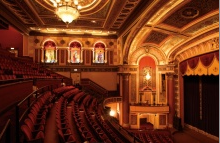
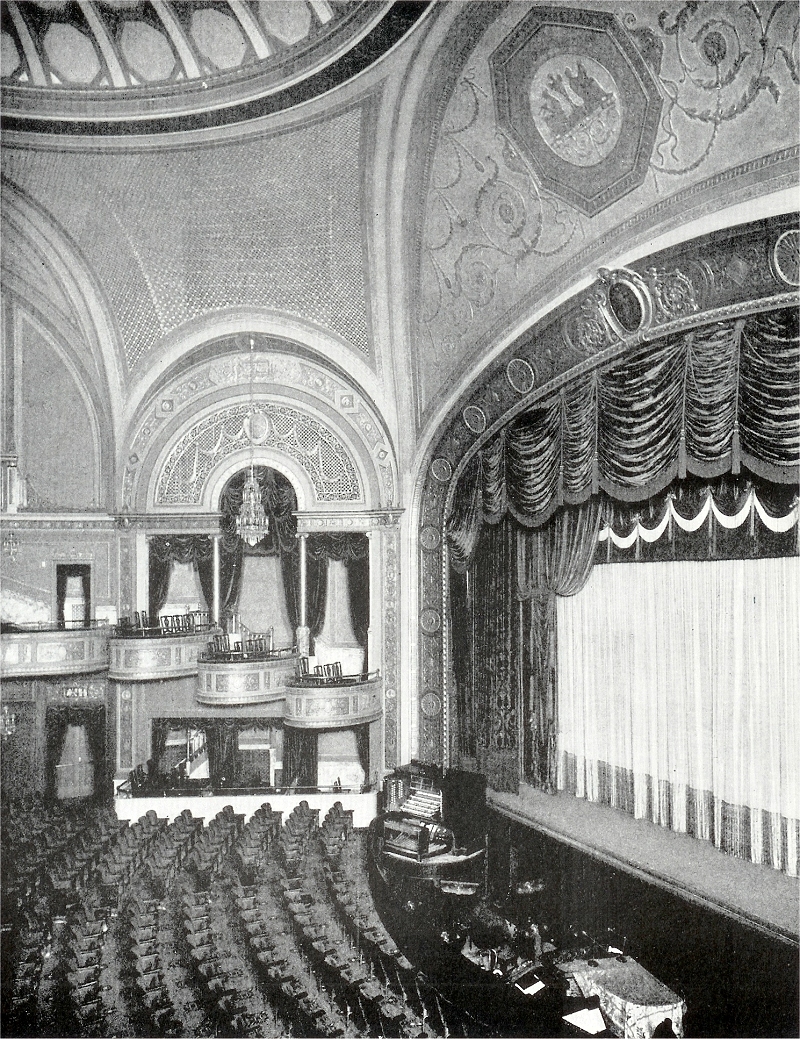
The Colony Theater interior

On November 18th, 1928, Steamboat Willie premiered at the Colony Theater on 53rd street and Broadway (later called the B.S. Moss Colony theater and today called the Broadway Theater).  This, of course, heralded Mickey Mouse’s first public appearance.

Art Babbitt was not in attendance.  Like many others, he was oblivious to the birth of yet another average-looking cartoon character.

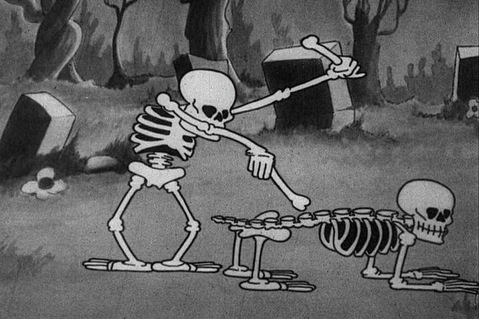
Months later he would join Paul Terry’s staff and animate on some innovative but mediocre cartoons at the Terrytoons Studio.  He would not even learn the name Walt Disney until years later, during a local, nondescript  screening of The Skeleton Dance.  Only then would he decide he had to work for this man..

.

Details in this post about the making of Steamboat Willie are credited to Leslie Iwerks and John Kenworthy in their book The Hand Behind the Mouse: An intimate biography of Ub Iwerks, the man Walt Disney called “the greatest animator in the world”.

Posted in 1924-1929: Illustrator in NYC, Animation, Disney, Film, Illustration, Labor, New York, Skeleton Dance | Tagged , , , , , , , , , , , , , , , , , | 1 Comment

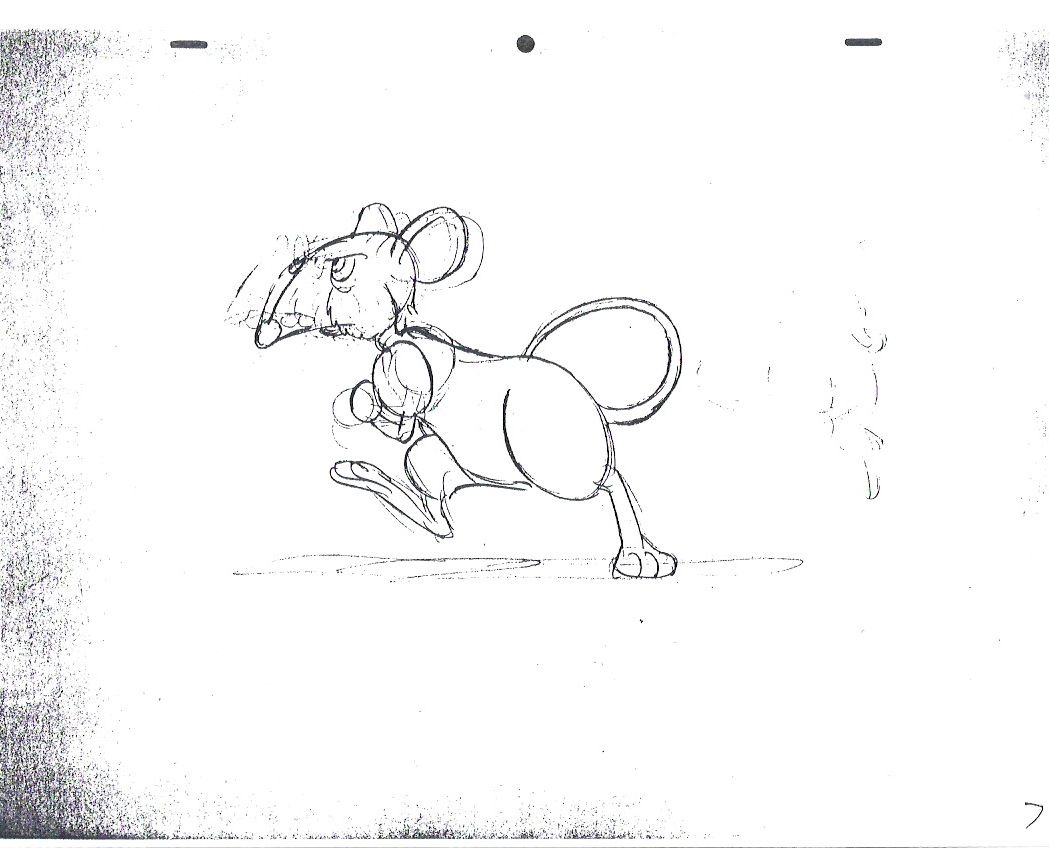
More Babbitt Walk Cycles

In 1948, Art Babbitt was in Paris working with Lou Bunin on his stop-motion Alice in Wonderland film.  Babbitt’s walk cycles were used as pre-production reference for the animators.  Four of them have been previously published and I’ve already scanned and animated them.  These have never been published or made public to the best of my knowledge.  These and more to come are courtesy of John Canemaker.

Posted in 1946-1970s: Later Years, Alice in Wonderland, Animation, Film, Illustration | Tagged , , , | Leave a comment

Disney Artists with Guns

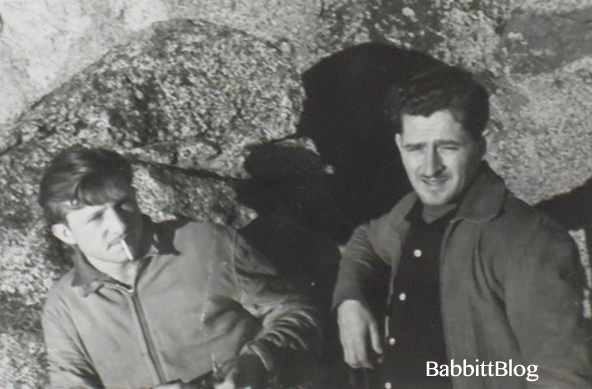
Art Babbitt always had a 16mm camera with him – a real movie bug.  He brought his camera with him the day he, Bill Tytla and Les Clark  went clay shooting.  Golden-age Disney artists having fun in the sun!  Circa 1937.

Posted in 1932-1941: Disney Glory Days, California, Disney, FDR | Tagged , , , , , | 2 Comments

Les Clark, of Disney’s Supreme Court

Les Clark looking at Moviola test footage for “Country Cousin” circa 1936

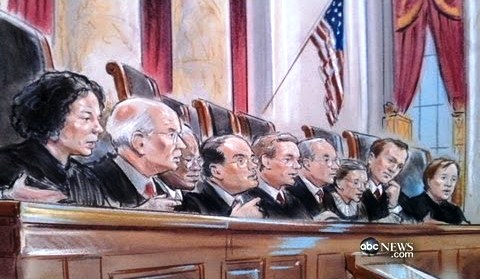
In honor of the recent landmark healthcare decision made by the U.S. Supreme Court, I’m going to talk about one of my favorite past members of the Supreme Court.

Disney animator Les Clark.

I use “Supreme Court” loosely, but by President Franklin Roosevelt’s own standards.  During the Great Depression, journalists Robert Allen and Drew Pearson coined the term “Nine Old Men” to deride the staunch members of the Supreme Court who refused to pass Roosevelt’s New Deal proposals.

Today, Roosevelt is ranked beside Washington and Lincoln as one of the greatest presidents of the United States for steering the nation through an economic crisis and a world war — but during the Great Depression his laws were deemed unconstitutional and he was criticized by Capitol Hill.  Roosevelt’s National Recovery Administration (a different NRA than you’re used to) attempted to allow federal government to step in and monitor prices and wages of of businesses.  The Nine Old Men of the Supreme Court scrapped it, calling it unconstitutional.  By the end of 1936, the Supreme Court had also overturned the National Industrial Recovery Act and the Agricultural Adjustment Act.  Without these programs, there was no New Deal.  There was no rebounding economy.

So Roosevelt had enough.  He argued that these old fogies can’t see the forest for the trees.  You need young minds to change things, and he went so far as to campaign for his famous court-packing bill which would add 6 new justices – one for every sitting justice older than 70.

You gotta be pretty fed up to try and restructure the Supreme Court!

In early 1937, Roosevelt was tossing the term “Nine Old Men” around so much, it had entered pop culture.

At the start of 1937, the players of the Supreme Court were:

Louis Brandeis (age 80) (liberal)

Benjamin Cardozo (age 66) (liberal)

Harlan F. Stone (age 64) (liberal – forming thethree musketeers)

James Clark McReynolds (age 74) (conservative)

George Sutherland (age 74) (conservative)

Willis Van Devanter (age 77) (conservative)

Pierce Butler (age 70) (conservative – forming the four horsemen)

Chief Justice Charles Evans Hughs (age 74) (swing vote)

Owen J. Roberts (age 61) (swing vote)

A cartoon of the nation’s Nine

Last week, our current Supreme Court passed President Obama’s health care proposal (which I refuse to call “Obamacare”) by a vote of 5-4.  The deciding vote belonged to conservative justice John Roberts, who most admires Robert Jackson, Roosevelt’s Supreme Court justice pick in 1941.  Perhaps Roberts’ behavior is a sign of changing times in our government and economy, as it was 70 years ago.

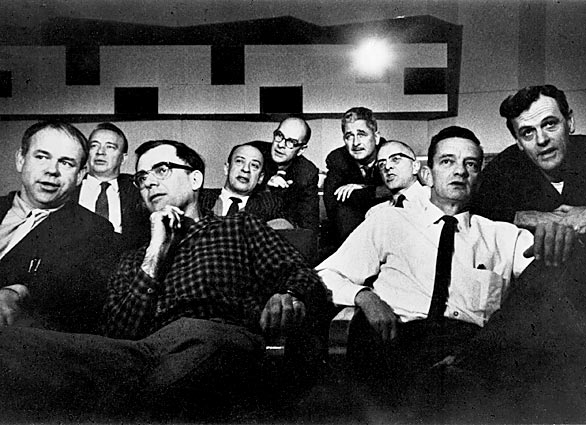
A photo of Disney’s Nine (Les Clark is 4th from right)

Walt Disney didn’t elect a chief justice.  He had a bunch of talented men (only men were elevated at Disney’s) who did a lot of the art, but his most loyal were his animators (it’s argued that their status was a little more comfortable because Walt was more impressed by the skill).  After the 1941 Disney Strike, Walt designated his own “Nine Old Men,” an offbeat honor given to nine young animators.  And Les Clark was the member of The Nine who knew Walt the longest.

Art Babbitt and Les Clark

When Art Babbitt arrived at Disney’s in 1932, he natually gravitated towards Les Clark.  Les Clark was quiet and diligent, taking his work seriously but never demanding the spotlight.  Babbitt must have been thrilled to meet the man who animated the xylophone scene in 1929’s Skeleton Dance – it was this short that convinced Babbitt to apply to Disney’s in the first place.

The character model sheet posted on Les Clark’s wall in the top photo

They worked together to complete almost all the animation for the 1936 Academy-Award-winning short, The Country Cousin, with Clark getting the sober-mouse scenes in the first half and Babbitt getting the drunken-mouse scenes in the second.

Also by this time, the two had bonded as friends along with animator Bill Tytla.  The three would go camping together and clay skeet shooting in Red Rock Canyon.  Clark would attend parties at Babbitt’s and Tytla’s abode with his wife Mimi.

___

Babbitt front left, Clark at front center (storyman T. Hee at rear center)

While Babbitt became a Goofy specialist, Clark became a Minnie Mouse specialist.  Their mutual respect would foster throughout the rest of the 1930s and into the ’40s.  It would be shattered in 1941, when Babbitt would lead the Disney Strike, and Clark would remain loyal to the company until his dying day.  Les Clark achieved legendary status and financial security for himself and his family

Les Clark, John Lounsbery (two of the Nine Old Men), and Art Babbitt, circa mid-1940.  Courtesy of Andreas Deja

It begs to wonder: what would have happened had Babbitt stayed in?  Can there be more than merely Nine Old Men?  If FDR can propose it, why can’t we?

Posted in 1932-1941: Disney Glory Days, Disney, FDR, Film, Labor, Nine Old Men, politics, Skeleton Dance, Supreme Court | Tagged , , , , , , , , , , , , , , , | 3 Comments

Occupy Disney

Babbitt at left in dark jacket

People protesting, all day, every day, demanding fair wages from the one percent, for they were the ninety-nine percent.

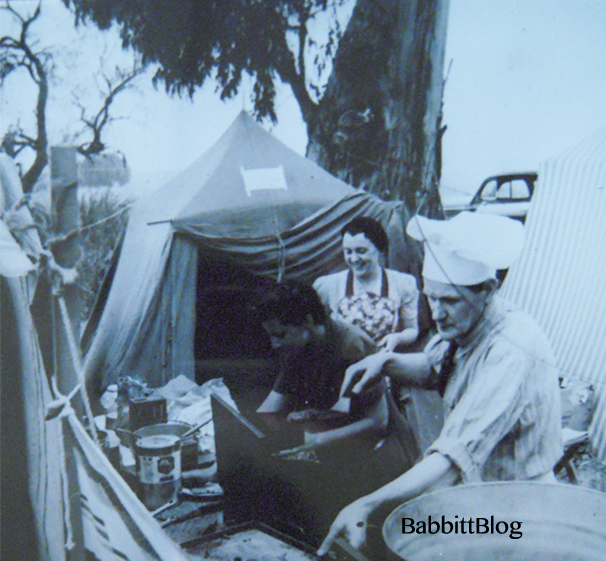
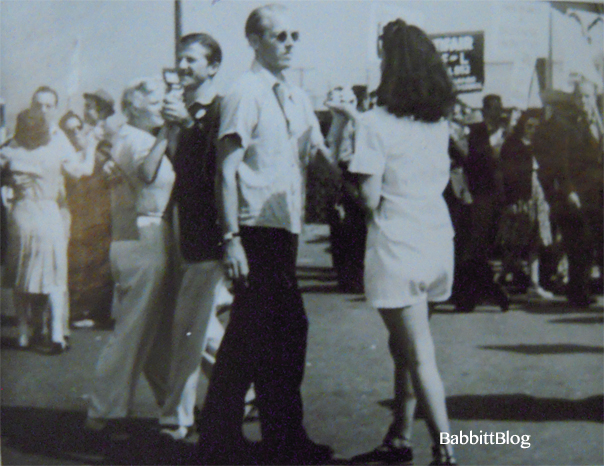
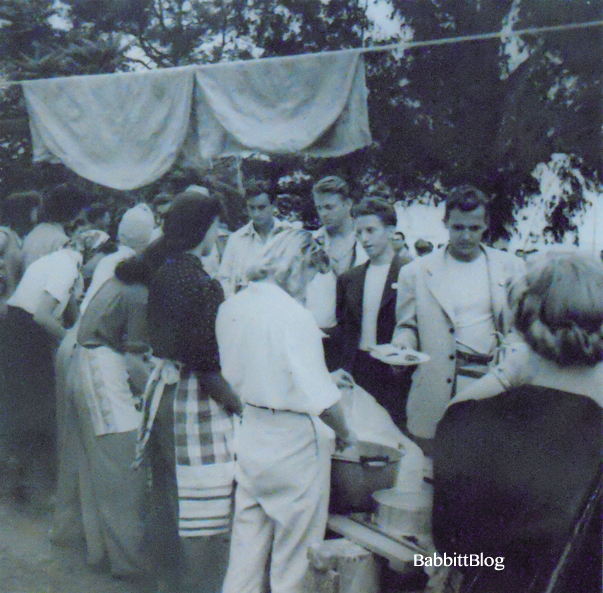
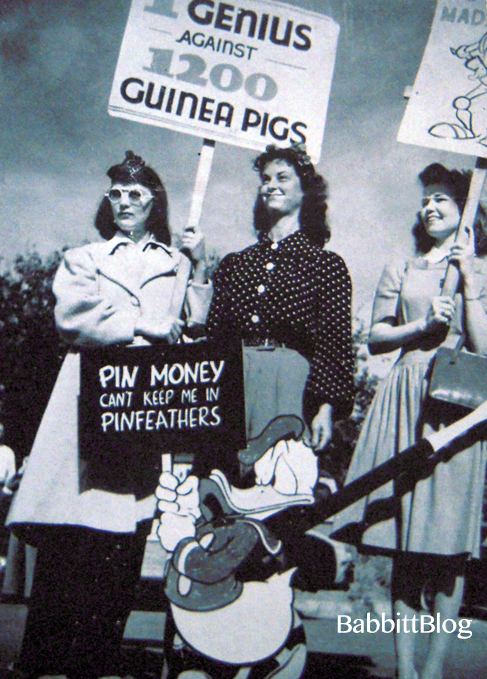
Singing songs and carrying signs.  Dressing in costume.  Marching and chanting.  Camping on the neighboring grass.  A tent city in a public space.  Free food. Free literature.  Music and dancing to force the neighborhood to take notice.  And outside one of the most important streets in the country:

……. South Buena Vista Street.

Art Babbitt is at left, in the dark shirt

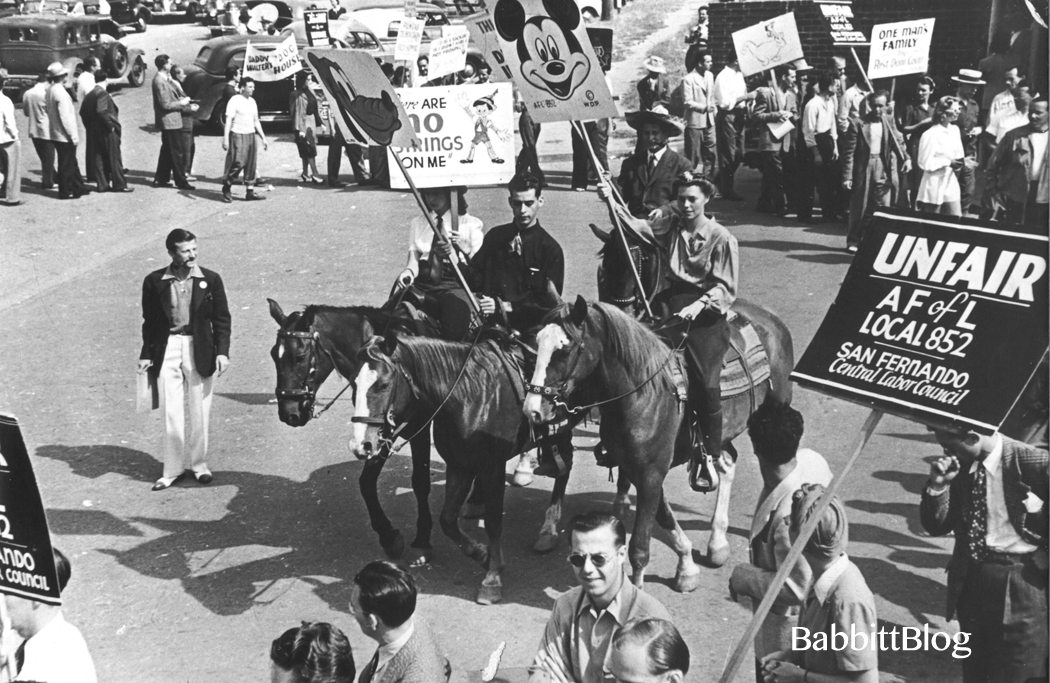
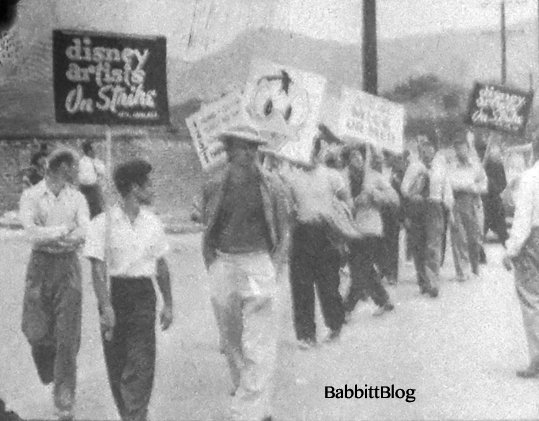
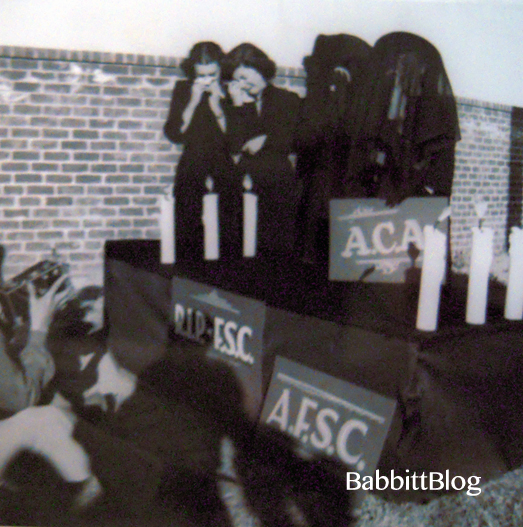
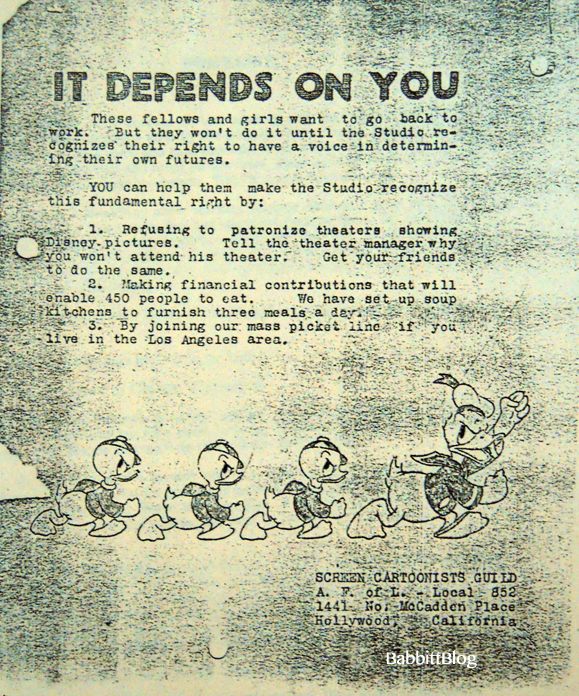
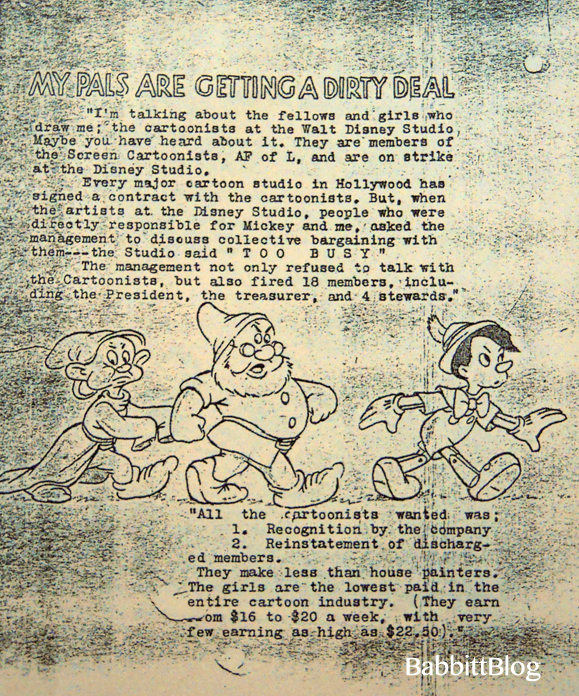
This wasn’t Occupy Wall Street.  The Disney Strike — led by Art Babbitt —  took place right outside the Walt Disney Studios, on the street itself and on the patch of green on the other side of  the street.

From May to August of 1941, hundreds of animation artists were trying to bring a union into Walt Disney Studios.  And they weren’t fighting a company – they were fighting Walt Disney.

Inspired?  Either politically or historically?  Please Click “LIKE“!

Posted in 1941: The Disney Strike, Disney, Labor, miscellaneous, OWS | Tagged , , , , , , , , , | 2 Comments

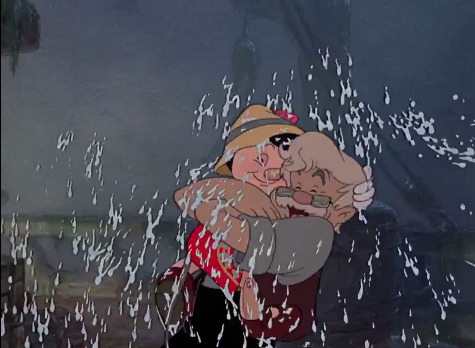
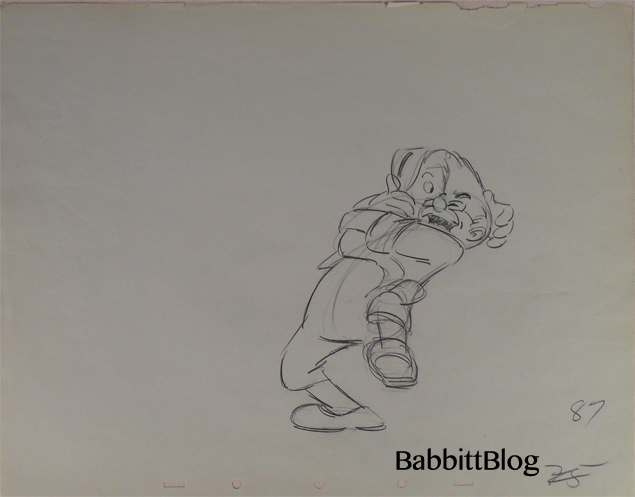
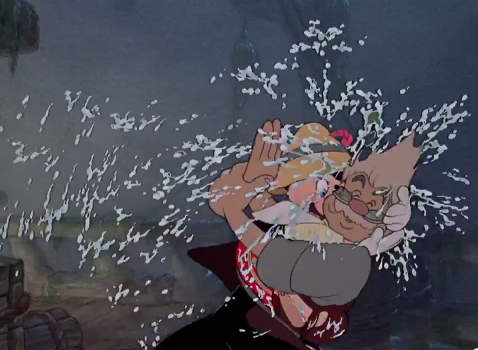
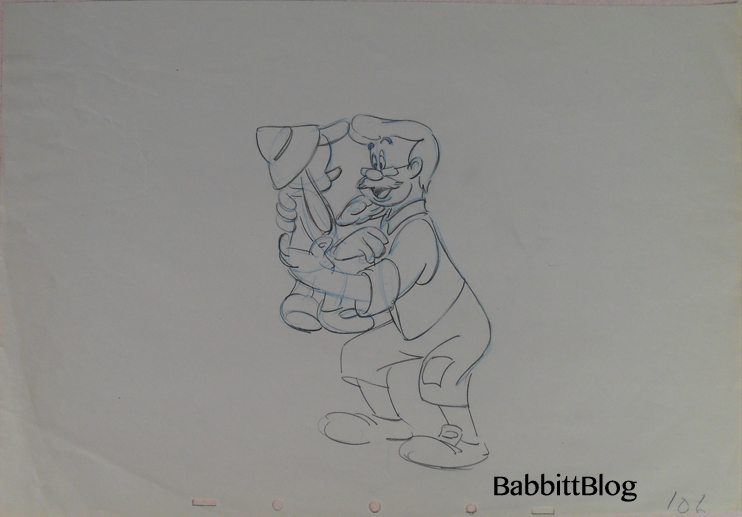
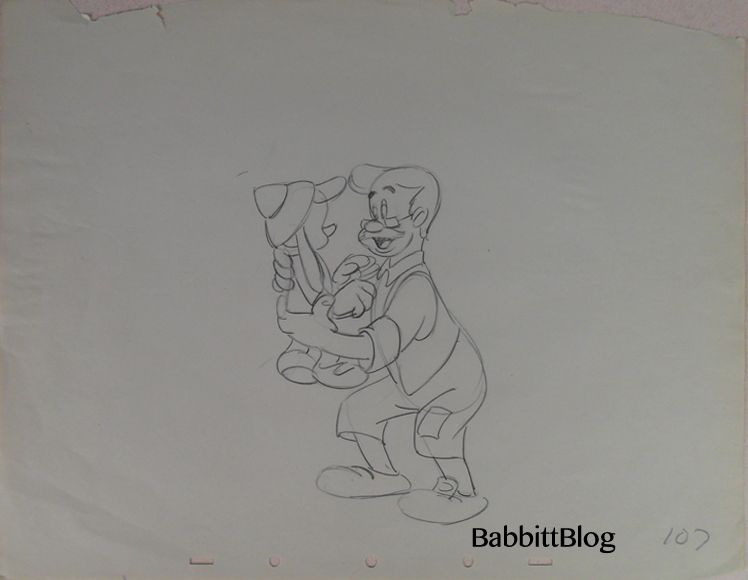
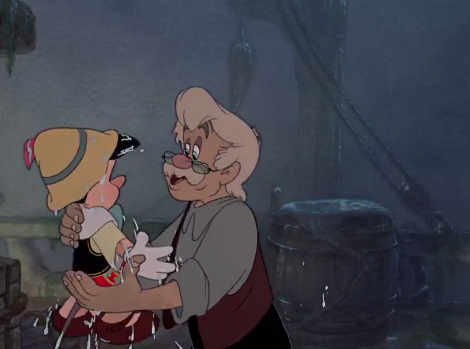
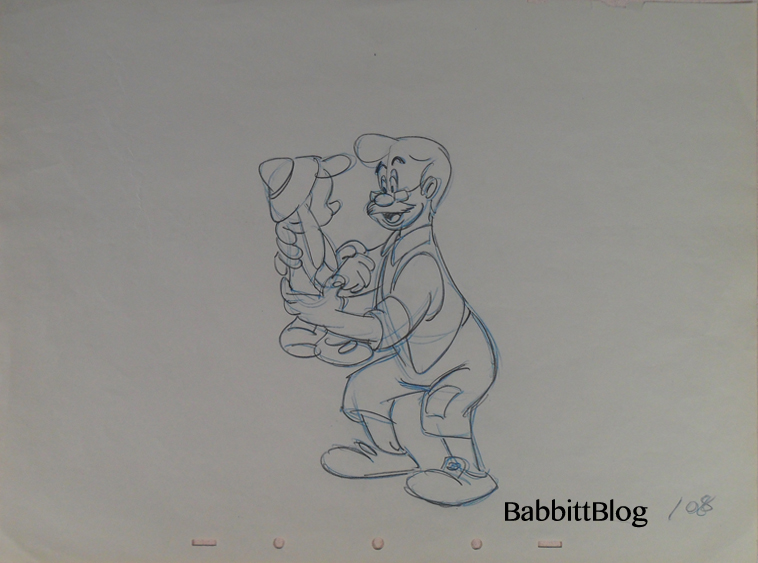
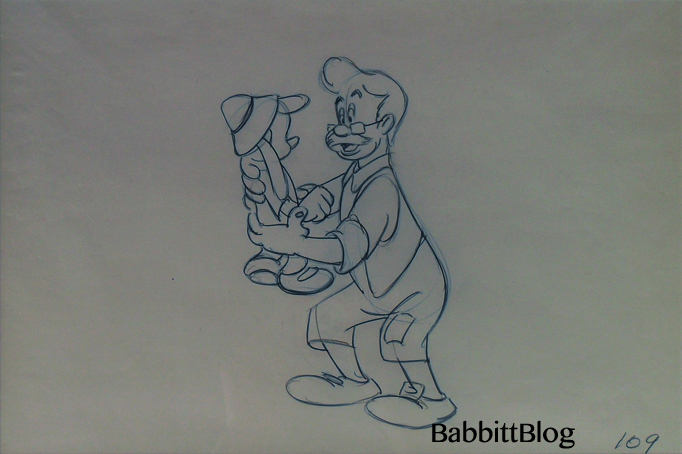
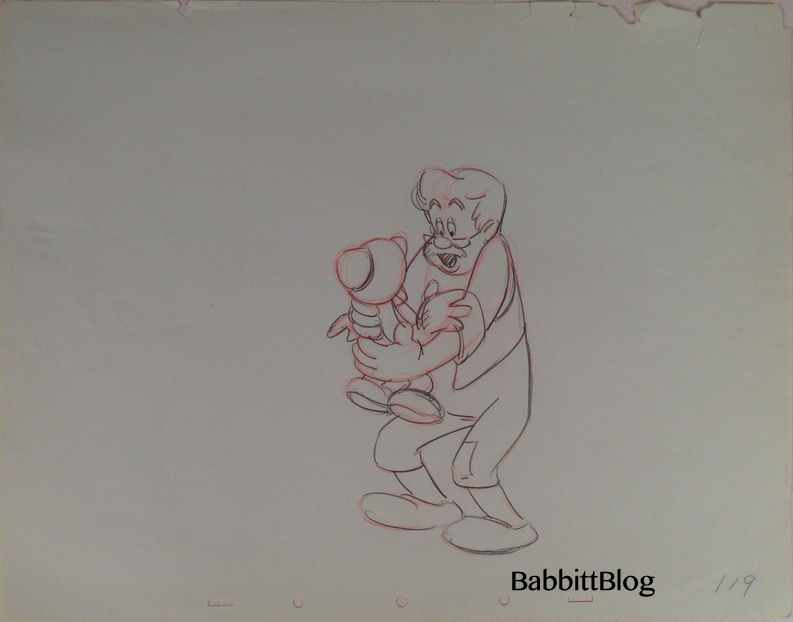
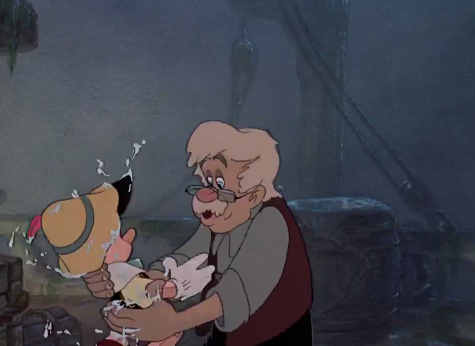
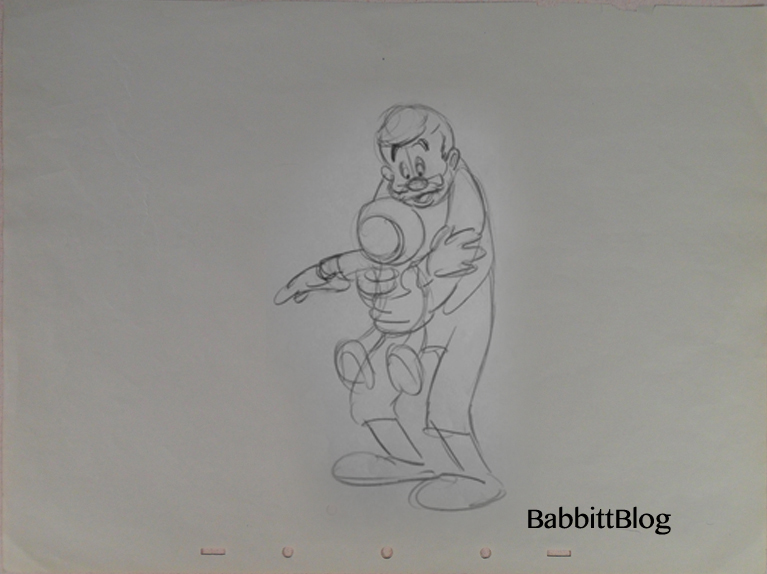
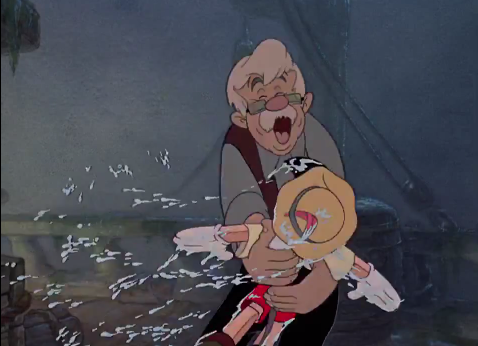
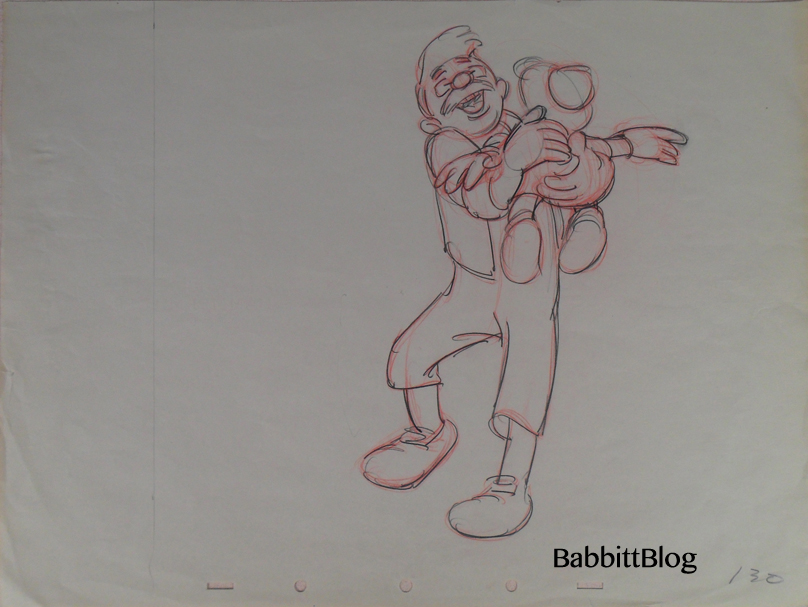
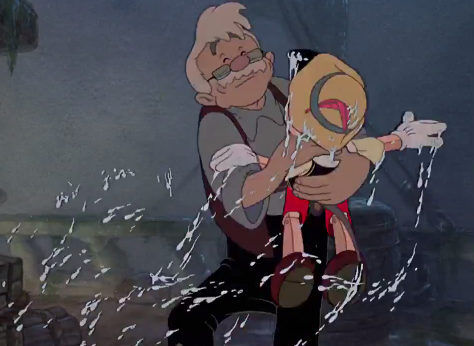
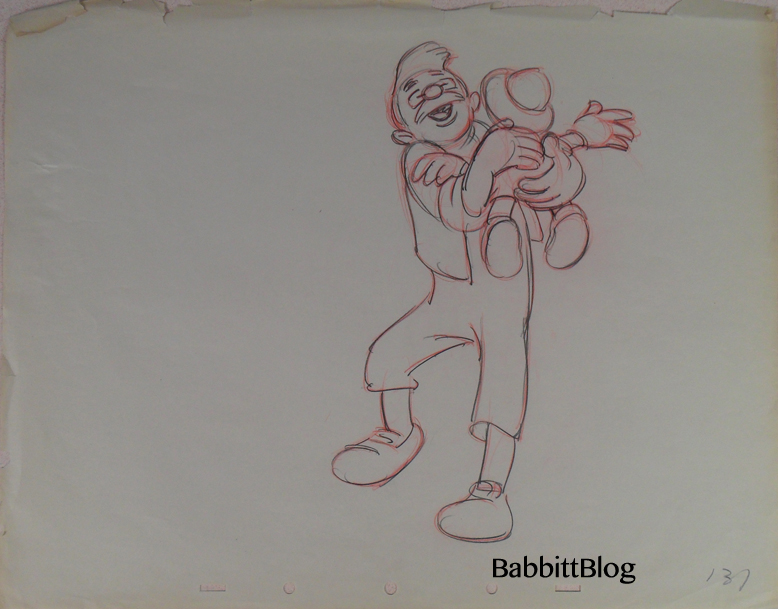
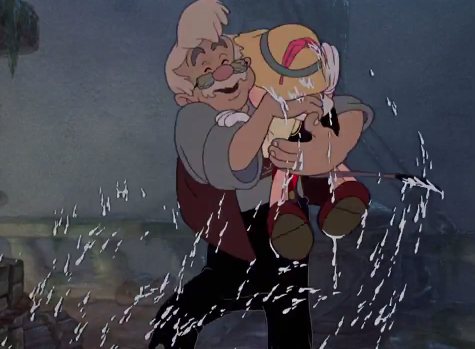
Geppetto First Pass: Disney’s Pinocchio

Only when I first heard about the “first pass” stage from a contemporary Disney animator did the whole animation process begin to gel for me.

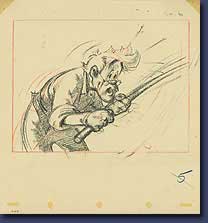
A storyboard drawing of Geppetto

It takes a certain amount of trial and error to get from a storyboard drawing to the final, emotional scene… and it starts with what is called a first pass.

It was discovered in the mid-1930s (by Disney animator Norm Ferguson) that as you begin animating, the more you loosened up, the more you could inject personality into your sequence.  Drawing loosely and quickly allowed the animators to forget about the sciences of anatomy and physics and allowed their feelings to go straight from their gut into their pencil.  This caught on, and soon each Disney character’s acting range skyrocketed from the basic happy/sad/angry tropes to the layered emotions of a Hollywood actor.

The movie Pinocchio was animated in character teams (much like nearly every Disney film since), and Art Babbitt was the head of the Geppetto team, numbering about 3o artists.  He would pick up the toughest and most important scenes with that character, divvy up the rest of the scenes among the other animators, and oversee the general progression of that character’s scenes.

First pass drawings are rarely saved – maybe because they’re just a learning tool and aren’t actually used in production.  That’s what makes this Geppetto scene so special.

Many thanks to ZipsToys.com for the use of these images.  These and other pieces of animation art are for sale on their website.

Wow, you scrolled all the way to the end.  You must have really enjoyed this Geppetto post, and by extension, this blog.  It is my pleasure to provide this for your enjoyment, and I’d appreciate it if you would be counted by officially Liking this blog. Thank you!

Posted in 1932-1941: Disney Glory Days, Disney | Tagged , , , , , , , , , , | 3 Comments

Marge Champion, Disney and Art Babbitt

On Monday I had the honor of meeting the lovely Marge Champion in her Manhattan apartment.

Marge Belcher was born on September 2nd, 1919.  When she was 13 years old, she tried out as for the part of a reference model for Snow White for Walt Disney’s first feature film.

Her father, choreographer “dance director” (as they were called) Ernest Belcher wanted to keep her out of the limelight at such a young age, but deemed the Disney audition acceptable because she was merely artists’ reference.

Over the summer Marge forgot about the audition she did.  As the school year started and she had turned 14, she got the call.

Marge and Ernest Belcher

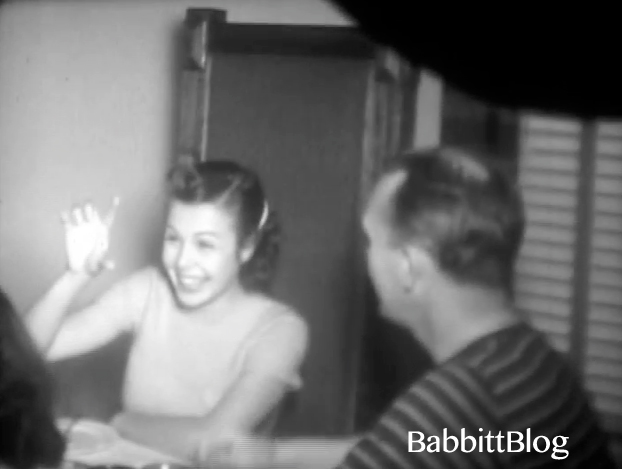
When Marge entered the studio, they gave her a Snow White costume, and she acted in front of the animators to inspire the movement of the character.  According to Marge, Art Babbitt (who was assigned to animate the Wicked Queen), began filming her for his own general movement reference with his personal 16mm camera before anyone else was.

The animators were all very protective of young Marge and Walt Disney insisted she call him “Uncle Walt.”  Marge would only work a few weeks of the year at Disney’s, but the boys began seeing her growing up, including Art Babbitt.

He must have been a very charming 20-something:  He dressed well, was in excellent shape, had a sense of humor, was very perceptive and intuitive — and most significantly, he was incredibly confident.

Marge and Art

In the ’30s, the Disney Studio on Hyperion Avenue was populated like a college campus.  There were:

  • jocks (Jack Kinney, Roy Williams),
  • musicians (Ward Kimball, Pinto Colvig),
  • hard drinkers (Bill Peed — later Peet, John Hubley),
  • serious fine artists (Bill Tytla, Hardie Gramatky),
  • and intellectuals (Les Clark, Art Babbitt).

Babbitt was a sensitive observer.  He naturally studied the people around him, their movements, their knacks.  On the outside, he enjoyed being the life of a party.  Both these facets materialized in his ability to hypnotize people.

“People would bring in their bag lunch, and Art would sit at the middle and put people under.  He could hypnotize people – like it was a party trick,” remembers Marge.  “He could never put me under, though.  I just laughed at him!”

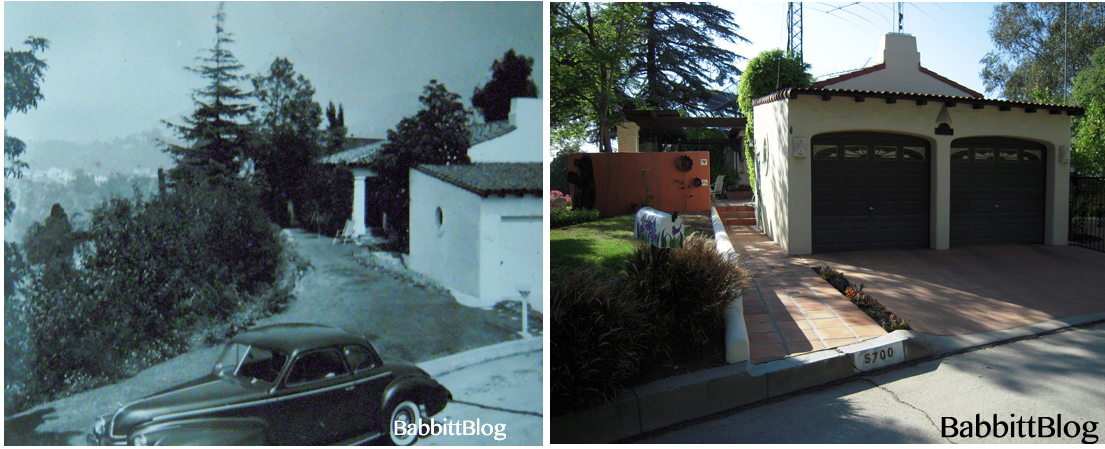
Marge and he began a chaste courtship, because “in those days, nice girls did not go to bed,” she says.  They were married on August 8th, 1937 without a big wedding, and Marge moved into Art’s house at 5700 Hill Oak Drive.

5700 Hill Oak Drive then and now

Marge Champion co-hosting brunch at Hill Oak Drive. Sculptor Pierre Gagnine is at right.

Throughout the months, Art worked his long hours at the studio and continued to work hard at his home animation desk.

There were parties, cocktails and social breakfasts, with friends of Art who were the creative elite, and Marge found herself to be a glamorous housewife, but a housewife nonetheless.

In 1940 Art wanted children.  Marge didn’t want to discard her years of training at 20 and instead took a job touring with the Three Stooges across the east coast, settling in New York.

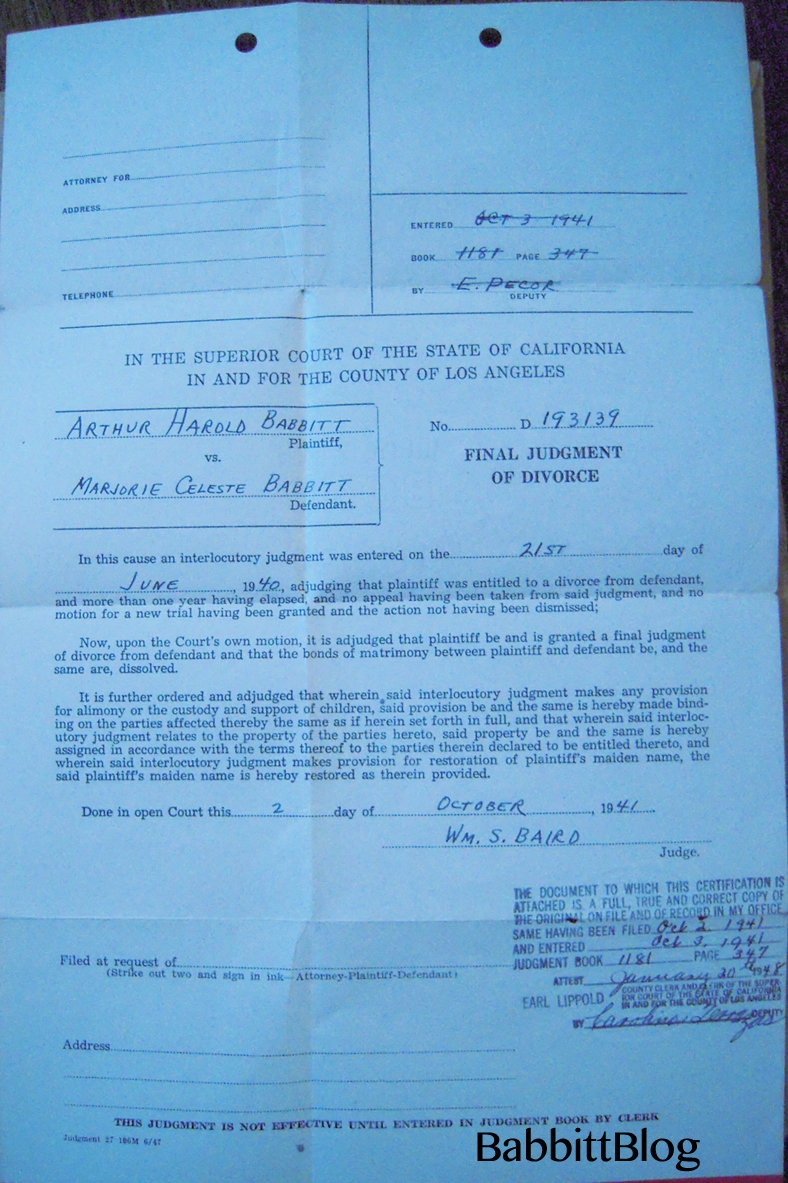
The divorce was filed on 6/21/40, and was finalized on 10/2/41

“… adjudging that plaintiff [Arthur Harold Babbitt] was entitled to a divorce from defendant [Marjorie Celeste Babbitt], and more than one year having elapsed and no appeal having been taken from said judgement, […] that the bonds of matrimony between plaintiff and defendant be, and the same are, dissolved.

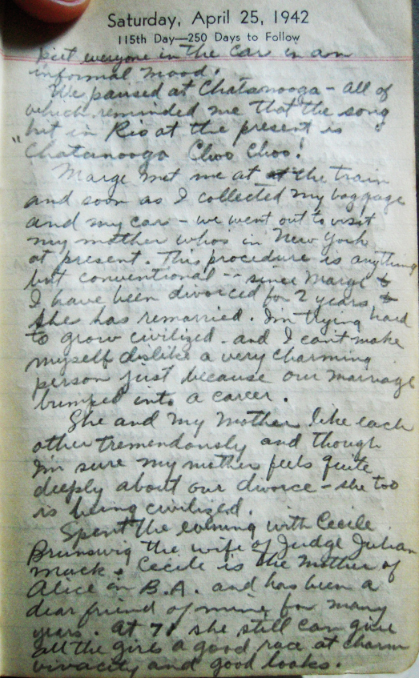
They remained good friends, and Art would meet her (and her live-in beau) when he returned to New York to visit.  On April 25th, 1942, he writes:

“Marge met me at the train and soon as I collected my baggage and my car – we went out to visit my mother who’s in New York at present.  This procedure is anything but conventional — since Marge + I have been divorced 2 years + she has remarried [sic].  I’m trying hard to grow civilized and I can’t make myself dislike a very charming person just because our marriage bumped into a career.”

_________________________________

Art and Marge continued to stay in touch throughout the years, and as time marched on, Marge would eventually meet each of Art’s future wives and children.

In 1992, when Art was on his deathbed, Marge was one of his last visitors before he passed away.

The photos below are original prints that Art Babbitt saved for 52 years.

“This is how I really looked,” says Marge.

Marge with partner Louis “Louie” Hightower, the model for Snow White’s prince, in a publicity shot

In a special costume for the 1938 Rose Parade

Marge laments that whenever a photographer had you facing up, you end up squinting.

 If you enjoyed this post, please “LIKE” BabbittBlog.

Posted in 1932-1941: Disney Glory Days, Dance, Disney, Photography | Tagged , , , , , , , , , , , , , , , , , , , , , , , , , , , , , , , | 7 Comments

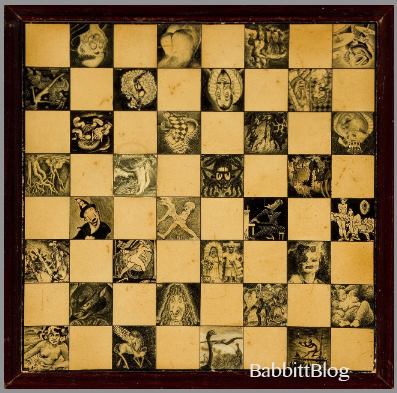
Chess Board by Disney Artists in 1940

I was about to write, “It’s not often that I get blown away by a piece of Disney history,” … but that’s not true.  The best part of studying Disney history is the peek you often get into the lives of an extraordinary number of creative people.

This chessboard resurfaced at a Bonham’s auction last December.  I just stumbled upon it by accident in a catalog here in New York, although Didier Ghez actually posted about this months ago.

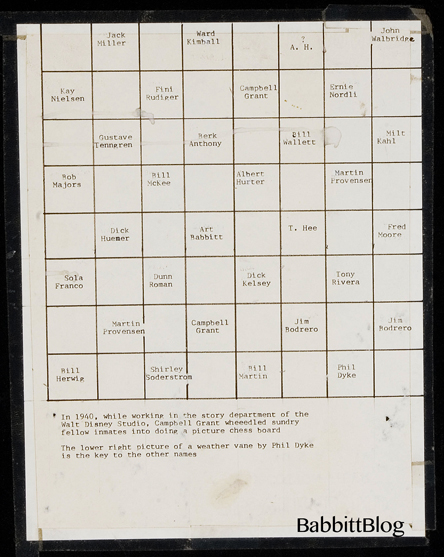
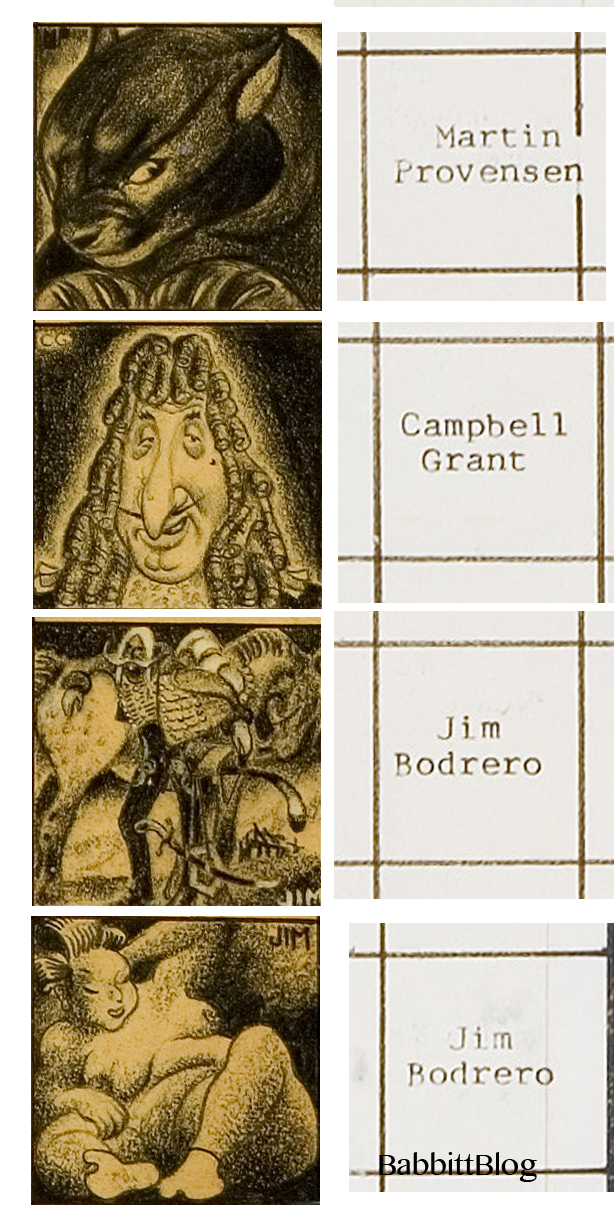
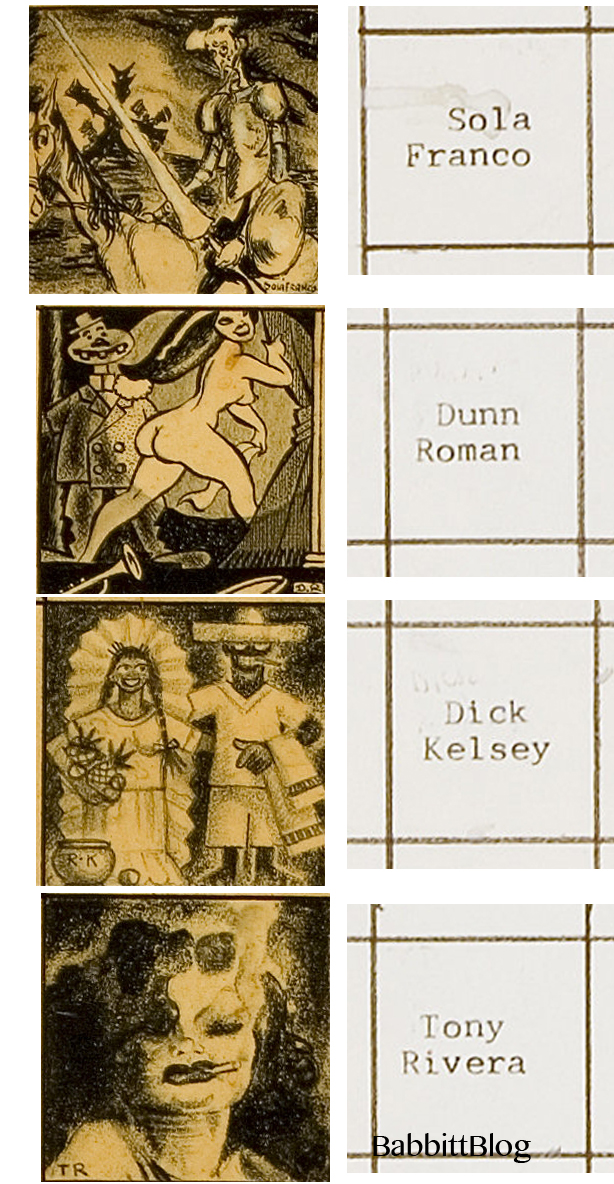
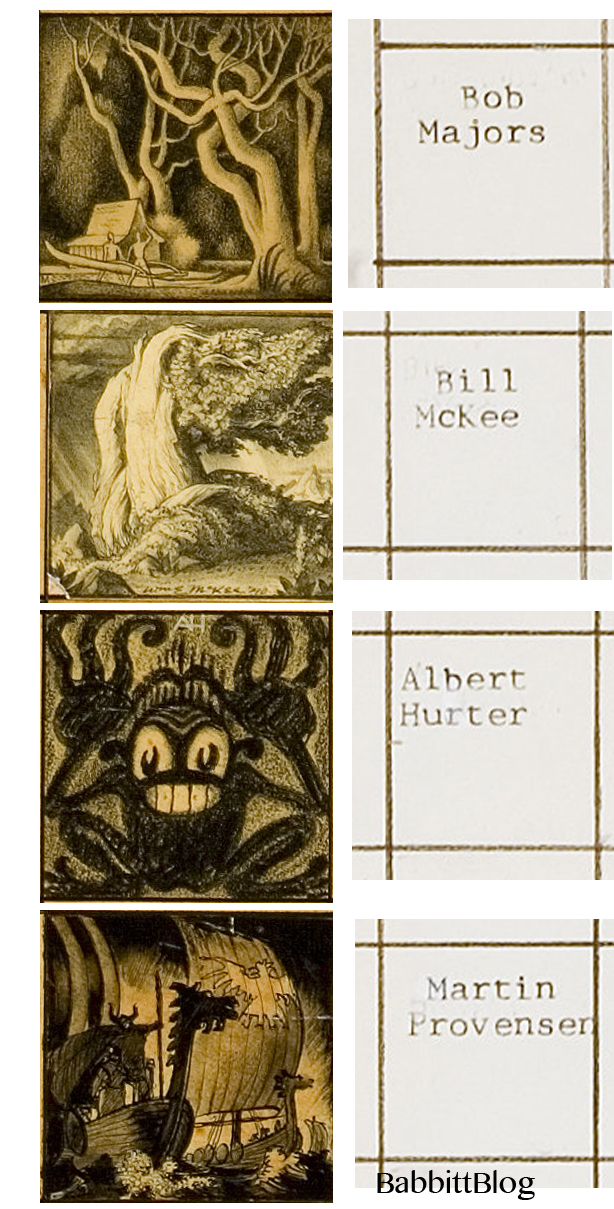
It’s illustrated by nearly 32 top Disney artists in 1940, including T. Hee, Albert Hurter, Dick Huemer, Ward Kimball, Fred Moore, Milt Kahl and Art Babbitt, not to mention the designers of Snow White, Pinocchio and Fantasia.  The front of this chessboard was in their catalog.  The back, with the key to the artists, was not.

Here’s the front AND back, with the artist key (but first, keep scrolling downward):

Here’s each square with this corresponding artist.  Seeing them like this really gives you an idea of the diversity of skill that Disney had under his roof.  So many different styles in the Mouse House, it’s both impressive and unfortunate they had to conform to a single style.

Posted in 1932-1941: Disney Glory Days, Disney, Games | Tagged , , , , , , , , , , , , , , , , , , , , , , , , , , , , , , , | 1 Comment